PURA scheduling conference highlights dispute over Nutmeg TV petitions, consolidation and business-plan requirements
Loading...
Summary
At a Public Utilities Regulatory Authority scheduling conference, Nutmeg Public Access Television urged a prompt transfer process while carriers and OCC debated whether to consolidate four dockets, the length of discovery, and whether Nutmeg must file a full business plan and budgets before hearings.
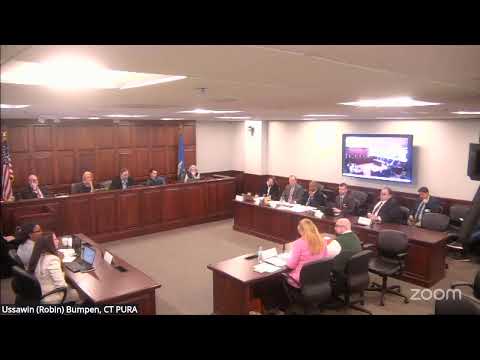
The Public Utilities Regulatory Authority on Monday convened a scheduling conference for dockets 250907–250910, which concern petitions by Nutmeg Public Access Television Inc. to assume community access (PEG) operations in multiple Connecticut areas. Commissioner Holly Cheeseman presided and asked parties to present proposed procedural schedules and any fallback dates.
Nutmeg TV’s executive director, Joni Wedler, urged a relatively quick schedule and said the authority must perform a comparative statutory evaluation of competing plans. "Nothing in the statute grants [incumbent companies] default control," Wedler said, arguing that incumbents must participate as contenders and present evidence on the same criteria Nutmeg will use. Wedler recounted repeated outreach attempts and said Nutmeg filed interrogatories on Feb. 1 and moved to compel responses on Feb. 19 after delayed company replies.
The Office of Consumer Counsel (OCC) signaled conditional support for a faster track if the parties reach an MOU, but asked the authority to correct sequencing errors in the written schedule and suggested moving several deadlines (for example, written exceptions and the final decision) into July to allow adequate review time. Pascaline Poku, OCC staff attorney, said separate but concurrent dockets would let OCC staff and participants review interrogatory responses and records specific to each franchise area without overextending agency resources.
Video providers — represented by attorneys from Brown Rudnick and counsel for Charter, Comcast, Cox and Optimum — generally urged more robust discovery and cautioned against rushing prefiled testimony. Attorney David Bogan for Charter raised the scale of Nutmeg’s request as a central concern, presenting an authority map and saying Nutmeg’s proposal would expand service from roughly eight towns to a proposed 55 communities covering more than 1.3 million customers. "This is profoundly different," Bogan said, and asked for budgets, personnel projections and a business plan before a comprehensive evaluation.
Counsel for the providers also suggested it might be efficient to merge the petitions into a consolidated proceeding because Nutmeg’s vision document emphasizes regionalized operations that could affect multiple service areas; OCC and Nutmeg both said they were open to limited consolidation but emphasized the need to preserve adequate time for discovery and for staff review. Nutmeg said it expects an MOU with Comcast by April 30 in at least one docket and said its forthcoming prefiled testimony will include budgets. Wedler said some local PEG facilities have limited activity while subscriber fees continue to be collected and framed regional consolidation as a public-interest remedy.
Commissioners and parties debated specific scheduling items — including discovery windows, the timing for prefiled and rebuttal testimony, and evidentiary hearing dates — with positions ranging from OCC’s shorter April–July timeline to providers’ longer schedule that runs into late summer or September. Several participants agreed to consult offline and file a joint or revised proposal; Commissioner Cheeseman asked parties to try to submit any agreed changes by the following Monday and adjourned the conference.
Next steps: parties were directed to confer and file correspondence with proposed adjusted schedules or compromises. The authority will publish a final schedule after reviewing any submissions and, if needed, preserve space for an evidentiary hearing and a full record in the event an MOU does not resolve an individual docket.