Get Full Government Meeting Transcripts, Videos, & Alerts Forever!
City committee weighs rising food insecurity as SNAP gaps and program limits strain nonprofits
Summary
City officials, public‑health leaders and nonprofit executives told the Boston City Council Committee on Human Services on March 30 that rising need, federal policy changes and limits in benefit design are widening gaps in food access for seniors, immigrants and people experiencing homelessness.
On March 30 the Boston City Council Committee on Human Services heard from city officials, public‑health leaders and nonprofit executives who said food insecurity and malnutrition are growing problems in Boston and that federal program changes are worsening gaps.
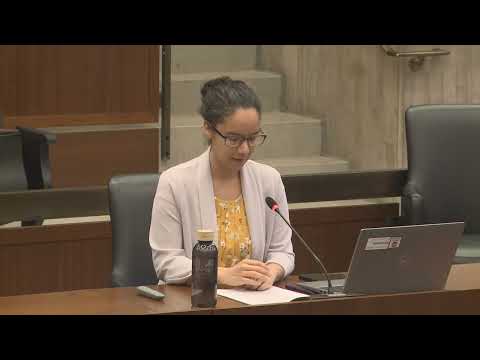
Chair Erin Murphy, at‑large City Councilor and chair of the committee, opened the hearing on docket 0179 to examine food insecurity and malnutrition. Councilor Flynn, the lead sponsor, described the 2019 Boston Food Access Assessment’s findings — an estimated 18 percent citywide food insecurity rate and neighborhood rates as high as about 28 percent — and urged continued city support for community organizations.
Tabrini Dafonseca, project director for the Boston Community Health Collaborative at the Boston Public Health Commission, summarized the Collaborative’s 2025 community health needs assessment, saying city survey data show rising food‑insecurity indicators: “22.7 percent of residents reported that they bought food that didn’t last and had no money to get more in 2023,” and 14 percent reported being hungry but not eating enough because they couldn’t afford it. She said East Boston,…
Already have an account? Log in
Subscribe to keep reading
Unlock the rest of this article — and every article on Citizen Portal.
- Unlimited articles
- AI-powered breakdowns of topics, speakers, decisions, and budgets
- Instant alerts when your location has a new meeting
- Follow topics and more locations
- 1,000 AI Insights / month, plus AI Chat