City committee weighs rising food insecurity as SNAP gaps and program limits strain nonprofits
Loading...
Summary
City officials, public‑health leaders and nonprofit executives told the Boston City Council Committee on Human Services on March 30 that rising need, federal policy changes and limits in benefit design are widening gaps in food access for seniors, immigrants and people experiencing homelessness.
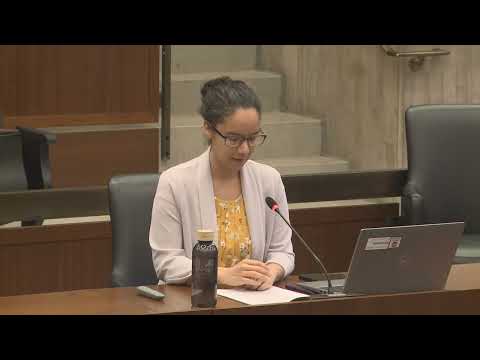
On March 30 the Boston City Council Committee on Human Services heard from city officials, public‑health leaders and nonprofit executives who said food insecurity and malnutrition are growing problems in Boston and that federal program changes are worsening gaps.
Chair Erin Murphy, at‑large City Councilor and chair of the committee, opened the hearing on docket 0179 to examine food insecurity and malnutrition. Councilor Flynn, the lead sponsor, described the 2019 Boston Food Access Assessment’s findings — an estimated 18 percent citywide food insecurity rate and neighborhood rates as high as about 28 percent — and urged continued city support for community organizations.
Tabrini Dafonseca, project director for the Boston Community Health Collaborative at the Boston Public Health Commission, summarized the Collaborative’s 2025 community health needs assessment, saying city survey data show rising food‑insecurity indicators: “22.7 percent of residents reported that they bought food that didn’t last and had no money to get more in 2023,” and 14 percent reported being hungry but not eating enough because they couldn’t afford it. She said East Boston, Roxbury, Dorchester and Mattapan report higher rates and that households in Boston Housing Authority properties, renters receiving rental assistance and people who are unhoused have elevated needs.
Melissa Honeywood, deputy director of the Mayor’s Office of Food Justice, laid out city programs intended to close gaps: SNAP outreach via the Mayor’s Health Line and certified navigators, support for shelter meal programs (the city provides three meals per day to about 600 unsheltered people through shelter partners), Shirley’s Pantry in Mattapan (serving more than 5,700 families a year), and incentive programs such as a farmers‑market coupon program and the Double Up Food Bucks match. Honeywood said "almost 420,000" farmers‑market coupons were redeemed last summer and that the city has issued over $976,000 to participating independent grocers through the match program.
Jennifer, chief executive officer of Women’s Lunch Place, described the organization’s combined day‑and‑overnight model and the role of prepared meals in reaching people who lack cooking facilities or other supports. “A meal is how trust begins,” she said, explaining that staff use meals as an entry point for housing referrals, SNAP enrollment assistance and case management. WLP reported serving more than 2,300 women and providing roughly 165,000 healthy meals last year.
Council members pressed the panel on several recurring gaps: that SNAP does not cover prepared meals for people without kitchens; that federal rollbacks and policy changes can reduce participation or eligibility; and that summer meal programs reach far fewer students than school‑year meal service. Councilor Weber observed that even full SNAP benefits “did not meet the nutrition needs of our families” in prior benefit suspensions and asked what else the city can do to close the nutrition gap. City staff and public‑health leaders pointed to coordinated outreach, multilingual materials and community‑based navigators as priority strategies.
Panelists outlined recent city investments and assessments: a Greater Boston Collaborative Food Access Hub subsidized in part by a $2 million city allocation, and a half‑million dollar cold‑storage access grant to 12 organizations to help pantries and “last‑mile” partners store perishable foods. Honeywood said the city completed a food recovery assessment that surveyed actors across the distribution chain and that findings informed the cold‑storage grants.
Councilors invited the panelists to submit specific budget requests for the upcoming cycle — for language access, nonprofit grants and expansion of programs such as the Double Up match when federal funding ends — and asked the Women’s Lunch Place and others to provide numbers. The hearing concluded with councilors committing to follow up during budget deliberations; no vote or formal action was taken at the session, which was adjourned by Chair Murphy.
The hearing transcript and materials referenced the “OB 3” change to eligibility rules for some immigrants (reported by city staff as reducing program eligibility and increasing administrative screening burdens). Panelists described federal grant timelines (the federal nutrition incentive grant that funds the Double Up match is expiring in June) and said the city is exploring ways to transition local supports.
What comes next: panelists were asked to supply budgetary requests and program details to the council as members prepare amendments and priorities for the coming budget cycle.