Lifetime Citizen Portal Access — AI Briefings, Alerts & Unlimited Follows
Porter County election board reduces fines, waives some over missed notices and updates notice procedures
Loading...
Summary
After several candidates said they did not receive emailed or mailed notices about defective campaign finance reports, the Porter County Election Board reduced or waived fines for multiple filers and agreed to tighten and clarify its notice language and filing guidance to prevent similar problems.
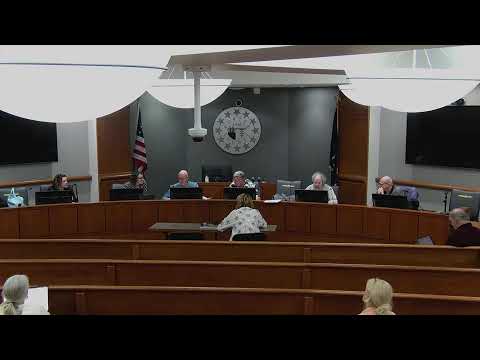
The Porter County Election Board on March 21 reduced or waived fines for several candidates and approved changes to how it notifies filers after a spate of delinquent and defective campaign finance reports.
At the outset of the hearing the board read Indiana Code IC 3-9-4-17 and explained the purpose of the proceeding: to decide whether civil penalties should be applied for late or defective filings. Several candidates said they had not received initial defect notices or that messages went to old or unmonitored EasyVote email addresses.
James Farris told the board he had filled out a CFA-1 online but ‘‘I hit save instead of send,’’ and later emailed an unsigned form. The board described the matter as a first offense and reduced the notice penalty from $550 to $275, with 30 days to pay. Counsel summarized the board’s options during the hearing, saying ‘‘the board has the options of waiving the fine, reducing the fine, or keeping the fine in place.’’
Other filers made similar claims. Mary Willis said she had been misinformed about the dollar threshold that required a filing; the board treated her case as a first offense and reduced her fine by half with the standard 30-day payment option. For cases in which emails had been sent to inactive EasyVote accounts, the board granted waivers or set fines aside where the record supported the filer’s claim that they had not received timely notice.
The discussion exposed a recent change in the office’s review practices: staff had begun flagging reports with unchanged balances or apparent dormancy for supplemental explanations. Board members said that criterion appeared to have been added recently and recommended establishing clearer, written criteria so filers and reviewers know what triggers a defective finding.
Multiple members said the office should change its notice language and candidate guidance to reduce confusion. The board agreed to add a prominent disclaimer to EasyVote messages (stating, for example, that replies do not reach an office monitor) and asked staff to develop clearer instructions for filers who have ‘‘no activity’’ to indicate that fact on their reports. One public commenter, Alice Harrington, said she had not provided an email address on the state CFA-2 form because the form marks email as optional and later missed early notices that arrived only by mail.
The board adopted several waivers and accepted staff recommendations in a series of voice votes. Members emphasized that the county cannot change the state form and instead will focus on education (tutorials and clearer email text), and on using both email and U.S. mail where appropriate to establish legal notice. The hearing concluded with several agreed follow-ups: board counsel will compile the notice letters and staff will prepare clarifying guidance and a proposed checklist for what triggers a defective report.
The board’s actions were procedural and remedial: fines were reduced or waived in individual cases and procedures will be revised to make notice practices and review criteria clearer for future filers. The board did not create new penalties or change the statute; it directed staff to return with copies of the letters and proposed guidance for confirmation at a subsequent meeting.