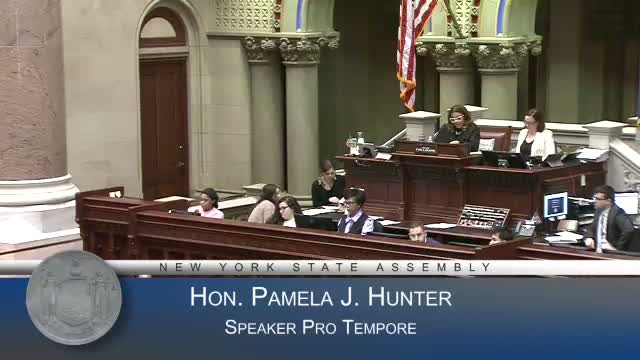
Assembly approves study of personalized handguns after partisan floor debate
Loading...
Summary
The Assembly passed Assembly 1191B directing the Division of Criminal Justice Services to study personalized firearms and develop viability tests. Supporters said the study gathers data without imposing mandates; opponents warned it risks unnecessary expense and could presage future requirements.
Assemblymember Boris, the bill sponsor, urged colleagues to approve Assembly 1191B, calling the "Safer Weapons, Safer Home Act" a measured step to update state understanding of personalized firearms technology. "It recognizes the technological advances that have been made in personalized firearms," Boris said, and the bill "directs DCJS to study personalized firearms, to come up with viability tests, and to help inform the legislature."
The bill as passed is a study requirement only; it does not mandate sales restrictions or require owners to change currently owned firearms. In floor exchanges, House members pressing the sponsor repeatedly asked whether the measure would impose requirements, be retroactive, or restrict ownership. Boris responded that the bill is limited to a forward-looking study and "it's not retroactive" and "it does not change what can be sold or used now."
Opponents warned the study could be redundant or a prelude to regulation. "If anyone wants to buy a personalized firearm, they are going to be free to do so," Assemblymember Pierzolo said, urging that consumer choice makes a state-funded study unnecessary. Assemblymember Angelino, who explained his no vote, said he opposed what he called incremental infringements on the Second Amendment and emphasized constitutional concerns.
Proponents said the study would provide data to inform future decisions and would not carry enforcement or mandates. "This bill is a measured, responsible step," Representative Zaccaro said on the floor, urging lawmakers to "examine tools that could reduce accidental shootings" and noting the bill asks only for facts, not new prohibitions.
After extended discussion and several members offered explanations for their votes, the Assembly recorded Ayes 91, Nays 48 and the bill passed. The bill requires DCJS to complete the study within two years and report back to legislative leaders as specified in the bill text. The sponsor said DCJS had indicated it had the capacity to conduct the study without a formal request for additional funding.
The next procedural step: the act was passed by the Assembly; any further action will depend on Senate consideration and the governor's review.