Sen. Tim Scott says bipartisan progress on Clarity Act; markets dip
Loading...
Summary
Sen. Tim Scott said Republicans, Democrats and the White House have largely agreed on language for the Clarity Act but that industry buy‑in is still needed; markets reacted to reports of a preliminary deal, with Circle shares falling sharply and Coinbase opposing the latest version.
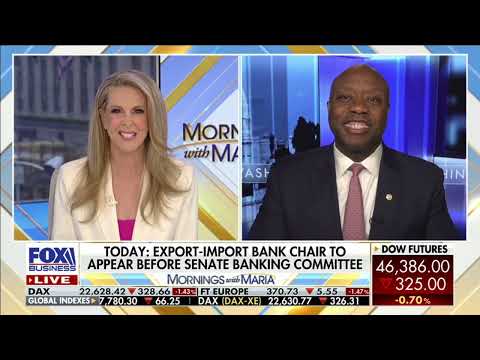
Sen. Tim Scott, chair of the Senate Committee on Banking, Housing, and Urban Affairs, said in an interview that negotiators in both parties and the White House have agreed on much of the language for the Clarity Act and that a markup could come near the Easter recess.
The agreement reported by the program aims to resolve a key dispute between banks and digital‑asset firms over yields on stablecoins. "This is hard, and it should be hard because this is the first time ever we've tried to deal with such a historic piece of legislation," Scott said. He added that Republicans and Democrats are "working together on language that they can agree on" and that "we now have to get industry to buy into this language."
The reporter noted market reaction to coverage of the negotiations: "Crypto stocks fell on that report; Circle, the issuer of the second‑largest stablecoin by circulation, plunged about 20% Tuesday," and said Coinbase had again opposed the latest version.
Scott cautioned that stablecoins are technically different from traditional bank accounts and argued for different marketing and disclosure rules. "A stable coin is a $1 to a $1 backing whereas your savings account is a fractional system," he said. "So we're talking about two very different systems altogether. But, yes, we want to make sure that the advertising or the marketing of a stablecoin account is very different than a FDIC‑insured bank account."
Scott described the negotiation as "threading the needle" and said the remaining step is winning industry support for the agreed language; he said he is optimistic that the process will improve as lawmakers gain experience negotiating this issue. The senator suggested markup could happen "right before the Easter break or right after," but warned that delays later in the year would make passage harder.
Next steps: reporters said staff and negotiators will continue talks and a committee markup is expected around the recess window if negotiators and industry can agree; no formal markup date was announced.