Get Full Government Meeting Transcripts, Videos, & Alerts Forever!
Get email alerts on the Public Safety topic
No spam. Unsubscribe anytime.
Belvidere committee moves to expand annual fire‑safety inspections for commercial and multifamily properties
Summary
Councilors approved a motion to amend Chapter 46 to clarify that inspectors may seek an administrative search warrant to conduct life‑safety inspections when an owner refuses entry, extending explicit inspection authority to commercial, industrial and multifamily structures.
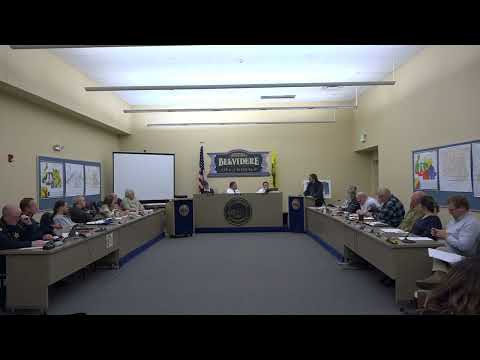
The Committee of the Whole on March 23 backed a recommended change to Chapter 46 of the Belvidere municipal code that would explicitly authorize annual life‑safety inspections for commercial, industrial and multifamily buildings and clarify how inspectors may proceed if an owner refuses entry.
City Attorney Drella explained the amendment responds to a statutory framework and common practice: inspectors generally perform annual inspections focused on fire suppression, alarm systems and exit/egress issues; when an owner refuses, the city would request an administrative search warrant from a judge to examine areas necessary to enforce the code.
Fire Chief Schadl said the amendment does not alter routine inspection procedures or create a broad right to enter living units; the department’s goal is targeted life‑safety checks (exit signs, egress pathways, fire alarm accessibility) and not a general invasion of privacy. Schadl noted the change aims to ensure downtown commercial buildings and multifamily properties receive the same regular safety scrutiny required elsewhere.
Alderman Peterson moved and Alderman Stevens seconded the motion to amend section 46‑5‑4; council discussed scope and protections for occupants and then voted in favor. The amendment will return to council in ordinance form for final adoption.
Why it matters: The change is framed as a public‑safety clarification to ensure consistent, enforceable inspections of buildings where fire risks (blocked egress, nonfunctional exit signage, piled combustibles) could endanger occupants.
What happens next: The amendment returns in ordinance form for final council consideration.