Residents, students and environmental groups urge council to back ‘Stop Trashing Our Air’ bill and alternatives to incineration
Loading...
Summary
Students, environmental advocates and community groups used the public-comment period to press Philadelphia City Council to support the ‘Stop Trashing Our Air’ bill and pursue composting, recycling and other alternatives to regional trash incineration, citing asthma, pollution and environmental justice concerns.
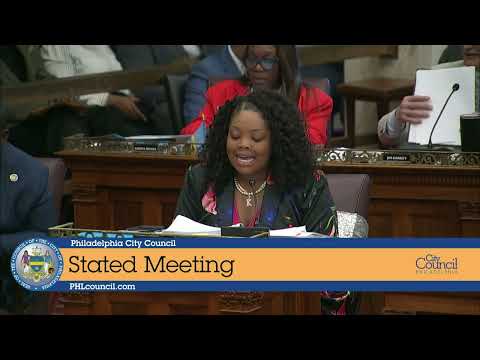
Dozens of community members and students filled the public-comment period at Philadelphia City Council to press elected officials to support the Stop Trashing Our Air Act and to adopt alternatives to burning municipal waste.
Second-graders from Fannie Jackson Coppin School opened the section with a minute-long appeal—saying they compost and recycle at school and asking council to stop burning trash because it creates “toxic pollution” and can make people sick. "We should stop burning trash," a student said. "Chester deserves clean air."
Environmental advocates followed. Vanessa Zapata, a staff attorney for an environmental nonprofit, told council incinerators are “one of the most toxic methods of managing our waste” and urged Philadelphia to cut the waste stream that enables incinerators to operate. Mike Ewell of Energy Justice Network emphasized health consequences—asthma and cancer—and said labor and union options for a transition exist; he contended passing the bill would only cut a portion of the waste sent to nearby incinerators but would still be an important step.
Speakers including BP Lyles (Delco Environmental Justice) and Mitch Shannon pressed council not to let sanitation’s contracting timeline “run out the clock” on safer alternatives and asked the city to require alternatives be chosen before contracts are renewed. Commenters also disputed claims that the bill would cause mass job losses; some presenters pointed to Teamsters letters of support and said replacement options could be unionized.
Other public commenters used the same period to support an ordinance to require nonresident landlords to provide verifiable contact information (ordinance 250,980-a), and to press for oversight of prisons and other local issues. Comments included firsthand accounts of health impacts in Chester, the upstream community that receives much of the region's waste-burning, and cited studies and local air-quality findings. One speaker said that a credible study found that burning trash is “23 times worse for human health than landfilling,” while others urged investments in composting and job creation tied to zero-waste solutions.
Council recorded public comment under the one-minute limit established for this calendar; the council president closed public comment before moving to the final-passage calendar.
Council did not vote on the Stop Trashing Our Air Act during this session; public testimony was recorded and will be part of the legislative record as the council and committees consider related measures and contracting timelines.