Opponents at hearing warn all‑party primary could raise costs, advantage wealthy backers
Loading...
Summary
Labor and community groups told the committee that the petition to create all‑party preliminaries could increase election costs, make contests harder for working‑class and diverse candidates, and amplify outside spending; proponents disputed those claims and highlighted ballot endorsement mechanics and reported local signature support.
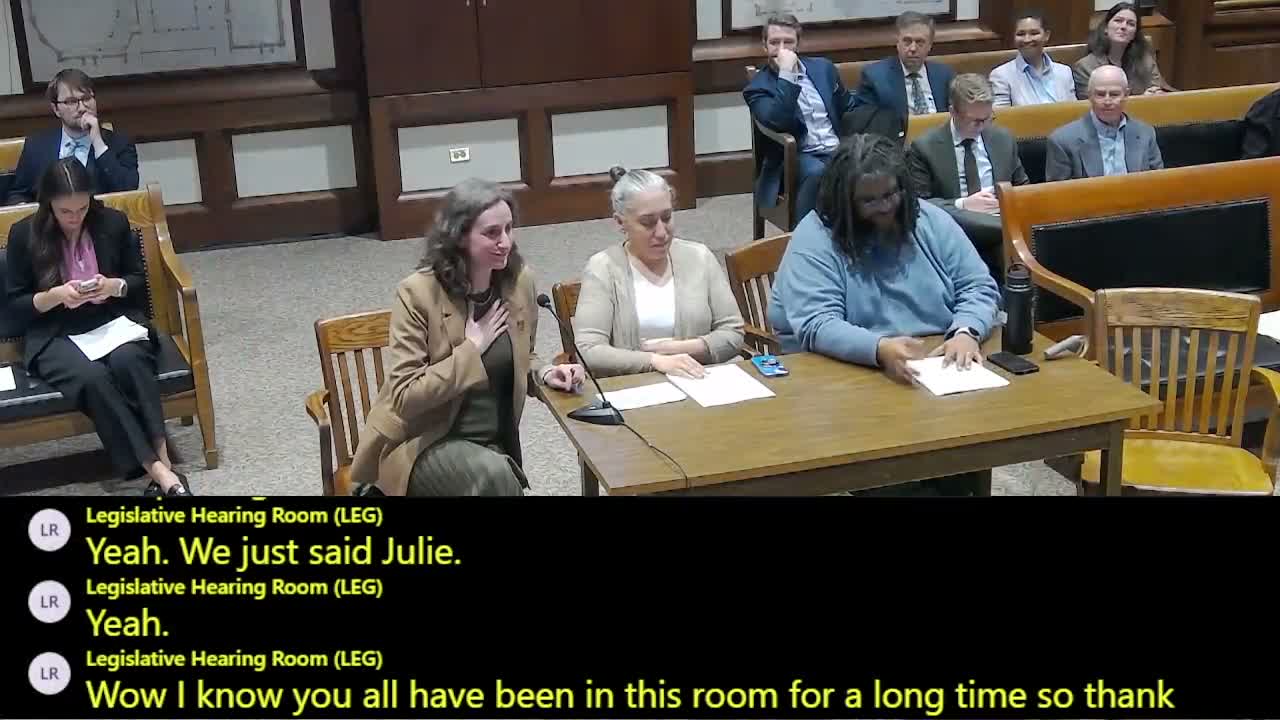
At the same hearing on initiative petition 25‑12 H (House No. 5,003), organized labor and community groups testified in opposition, saying a statewide all‑party preliminary could shift the cost and dynamics of down‑ballot politics in ways that disadvantage grassroots candidates.
Gina Frank, political director for 1199 SEIU Massachusetts, told the committee she and union colleagues oppose the measure and warned that it was backed by wealthy donors who could flood contests with advertising and independent expenditures. “This is a wolf in sheep’s clothing completely funded by billionaires,” Frank said, citing California examples where some contests became far more expensive after the state moved to a nonpartisan primary model.
Jordan Burke Powers, a former Partners in Democracy board member, and Vanessa Snow, executive director of Mass Alliance, said longer, costlier campaigns would favor well‑funded entrants over community‑based candidates who lack fundraising networks. Snow told the committee that contacting “all voters” rather than a partisan primary universe typically requires more paid mail, paid media and staffing, which she argued raises practical barriers for single parents, public‑service workers and other grassroots candidates.
Opponents raised empirical and equity concerns: they cited post‑reform spending increases in California and said the added expense tends to disadvantage women and candidates of color. They urged the Legislature to consider alternatives — such as stronger public financing, targeted voter outreach, mail‑ballot practices and local ranked‑choice reforms — rather than a wholesale change to statewide primary mechanics.
Proponents and some committee members responded that the petition was designed with Massachusetts’ context in mind and includes features (such as party endorsements on the ballot and Oregon‑style fusion possibilities) to preserve information for voters and reduce behind‑the‑scenes pressure. Proponents also contested some financial claims, saying their signature drive used Massachusetts‑based outreach and did not pay per signature.
The committee heard both sides at length and did not vote. The record from the hearing — testimony from academics, civic coalitions, labor, and dozens of public commenters — will inform the committee’s report under Article 48. Members may request additional information about campaign finance, administrative costs, and comparative district‑level outcomes before recommending legislative action or letting the measure proceed to the ballot.
Next step: the committee will accept written testimony through April 4 at 5 p.m.