Black business leaders tell legislature federal changes are choking contracts and capital
Loading...
Summary
The Black Economic Council of Massachusetts told the joint committee that tariffs, supply‑chain pressures, the rollback of DEI and shrinking nonprofit and government procurement are cutting revenue and contract pathways for Black‑owned small businesses in the Commonwealth.
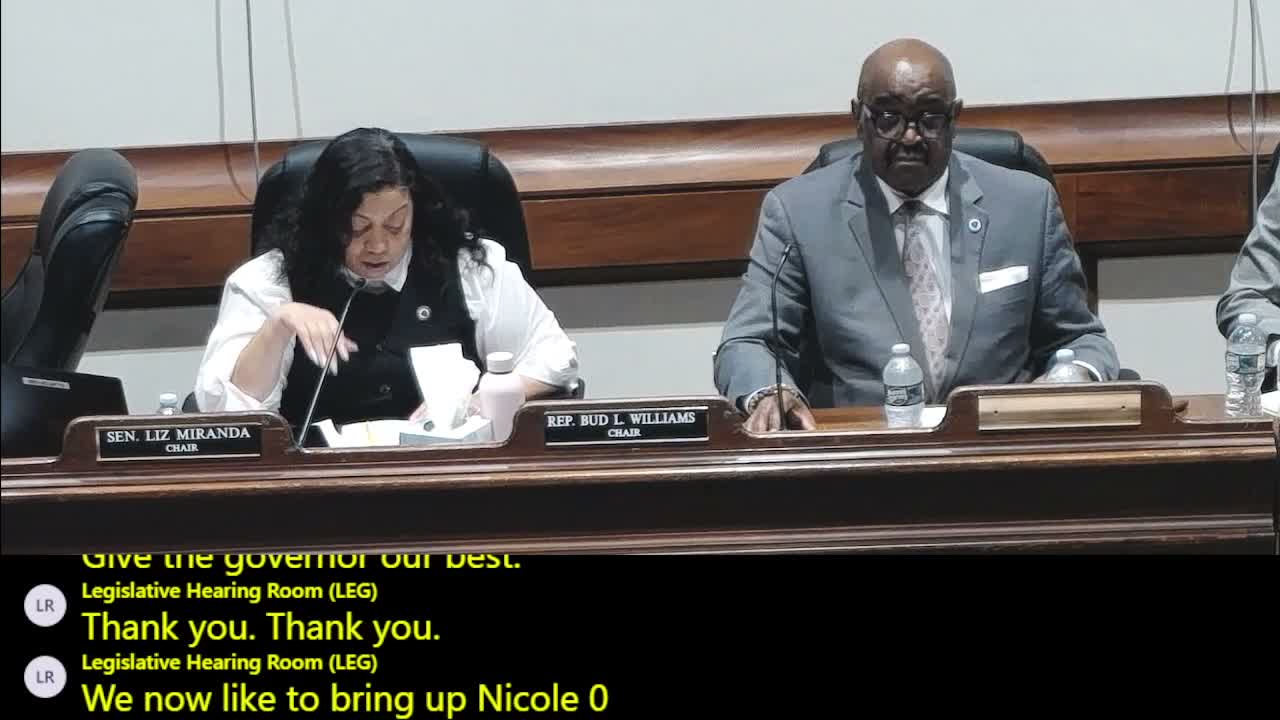
Nicole Obi, president and CEO of the Black Economic Council of Massachusetts, told the joint committee that Black‑owned firms in Massachusetts face a sharply more hostile environment because of a combination of higher costs, federal policy shifts and shrinking contract pipelines.
"Black owned businesses are operating in a significantly more hostile and uncertain economic environment," Obi said, pointing to tariffs, supply‑chain pressures, higher borrowing costs and a chilling effect from federal rollbacks of diversity, equity and inclusion programs that have narrowed procurement opportunities.
Obi pressed officials and the committee to distinguish between getting businesses certified as diverse vendors and whether those firms actually receive contracts: "There's a lot of emphasis on making sure that we have businesses that are listed. There's a whole discussion about whether it's a fair process — but at the end of the day my concern is which businesses are actually getting contracts." She described anecdotal examples of members losing education and health‑sector contract revenue and urged an "end‑to‑end" pipeline review to identify drop‑offs between certification, bidding and awarded contracts.
Committee members and administration witnesses discussed existing state tools — the Supplier Diversity Office (SDO), Operational Services Division (OSD), MassDevelopment and the Business Front Door navigation hub — and said they would look to the forthcoming biennial SDO advisory report and the administration's internal inventories to identify gaps. Obi said BECMA is serving on the supplier diversity board of advisors and expects recommendations that aim to improve award and payment outcomes for diverse firms.
The hearing record includes a request from the committee for follow‑up detail on how many grant recipients were later certified and how many eventually won state contracts; witnesses offered to provide more specific counts in subsequent filings.