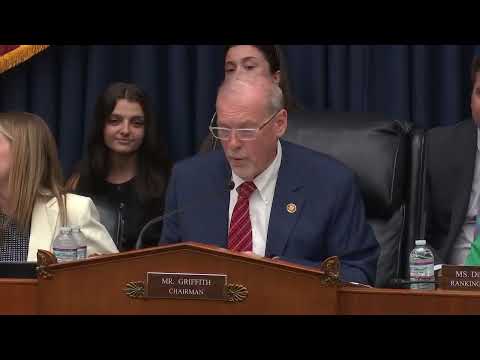
Subcommittee chair previews 14 bills to curb illicit drug threats, including plan to schedule xylazine
Loading...
Summary
The subcommittee opened a hearing to consider 14 bills targeting illicit drugs and related supply chains, including H.R. 1266 to schedule xylazine as a Schedule III substance and measures aimed at pill presses, precursor imports, data collection and fentanyl testing in hospitals.
The subcommittee opened with its chair outlining 14 bills intended to reduce harms from illicit drugs and strengthen law enforcement and public-health responses. “In today's hearing, we will discuss 14 bills aimed at protecting Americans from illicit drug threats,” the chair said in his opening statement.
The chair framed the topic as a national safety and public-health concern, saying illicit drugs are “fueling overdose deaths, increasing crime, and putting immense pressure on law enforcement and public health systems.” He emphasized the local impact in parts of his district, citing Virginia and Appalachia and reports of people mixing illicit drugs with substances such as xylazine and fentanyl.
Among the measures he listed, H.R. 1266 (the "combating illicit Xylazine Act" as described in the transcript) would classify xylazine as a Schedule III controlled substance while protecting its legitimate use in large-animal veterinary medicine, the chair said. The chair also referenced prior enacted measures, saying the subcommittee had helped pass the HALT Fentanyl Act and a patients-and-communities reauthorization that the president signed last year.
The chair described several other bills on the agenda, including H.R. 5630 (enhanced data collection requirements for opioid use disorder diversion reporting), H.R. 2004 ("Tyler's Law," a required HHS study on hospital fentanyl testing and guidance for emergency departments), H.R. 7184 (criminalizing intentional importation of unlisted precursor chemicals and related equipment), and H.R. 2715 (granting FDA authority to destroy FDA-regulated products at ports that pose a significant public-health risk). He said H.R. 5880 would add serialization requirements for pill presses, and H.R. 8005 would create new penalties to address counterfeit pill production.
Several bill titles and drug names in the transcript were not clearly rendered; the chair spoke quickly through a long list and some words are unclear in the record. The transcript records one bill as H.R. 7970 and a phrase transcribed as “nightazines,” and another reference to synthetic versions of a substance transcribed as “70H.” Those items are reported here as transcribed; the hearing record should be consulted for official bill titles.
The chair also raised supply-chain concerns, stating that “many of these illicit drugs are coming from illegal pill presses, often with ingredients coming from China,” and said local law enforcement are on the front lines of responding to these threats. He concluded by saying he looked forward to testimony from witnesses; the chair then recognized the ranking member, Miss DeGette, for her opening statement.
The hearing proceeded to witness testimony and subsequent questioning after the opening statements.