Assembly backs Senate Bill 190 to modernize guardianship and conservatorship rules, amid mixed public reaction
Loading...
Summary
The Assembly adopted a resolution supporting SB190, which shifts guardianship law toward person‑centered, functional assessments. Public testimony included both support from advocacy groups and concerns about access to legal counsel and administrative burden observed in other states.
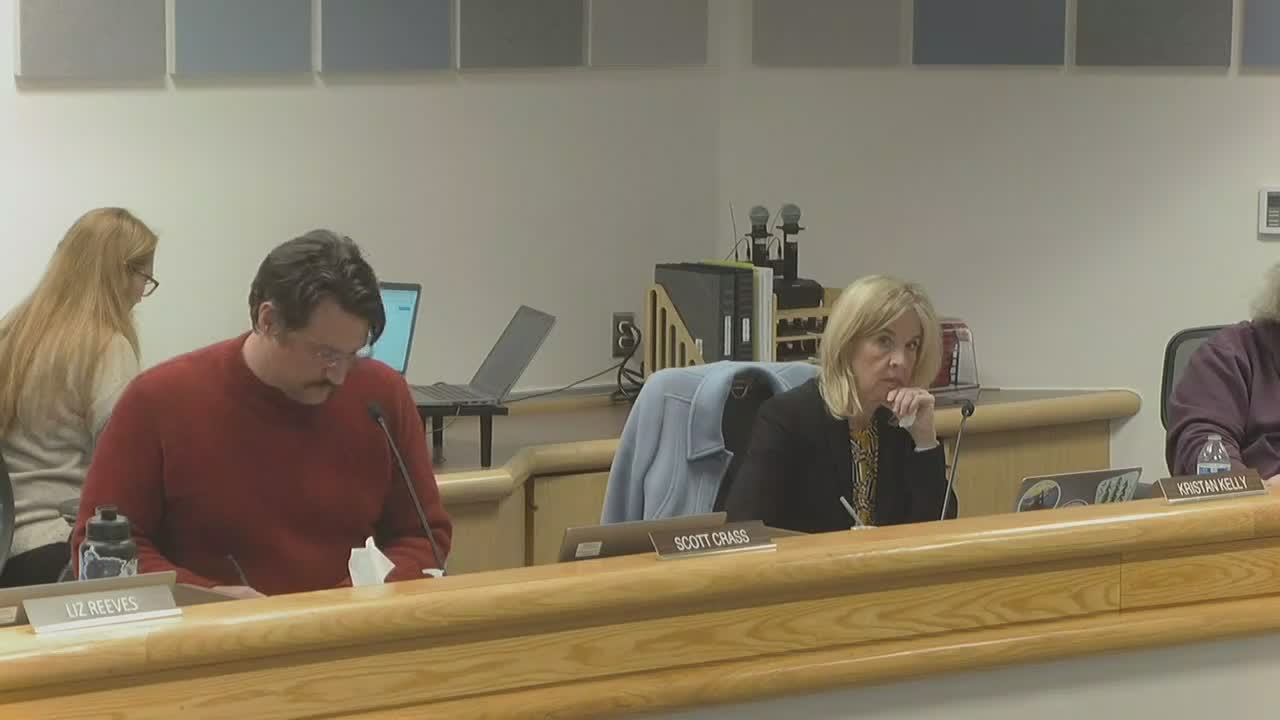
The Fairbanks North Star Borough Assembly adopted a resolution on March 31 supporting Senate Bill 190, a 162‑page modernization of Alaska’s guardianship and conservatorship statutes. The bill replaces dated terminology and emphasizes functional, person‑centered assessments rather than automatic incapacity findings.
Supporters who called in or testified in person included Teresa Holt, AARP Alaska’s state director, and Aurora Hawk, staff to Senator Kiel, who described the bill as the product of a multi‑year stakeholder effort modeled on the Uniform Guardianship Act. Holt said the bill would increase transparency, require criminal and credit history disclosures for prospective guardians and conservators, and limit problematic practices (for example, preventing property titles from being placed solely in a conservator’s name).
Opponents raised implementation concerns. Barbara Haney, who has acted as a guardian and conservator, warned that in other states the changes led to overburdened systems and limited access to counsel for respondents. She cited cases in Colorado and Washington where civil‑rights groups challenged implementation. Several assembly members noted the need to monitor regulations and ensure training and legal aid for respondents and guardians.
The Assembly adopted resolution 20‑26‑11 by a 6‑2 vote. The resolution expresses municipal support for SB190 and will be forwarded to the borough’s legislative contacts and the bill sponsors in Juneau. The Assembly also recorded concerns and urged that implementing rules prioritize access to counsel and manageable paperwork for guardians and courts.
The Assembly’s action does not change local law; it documents community support for the bill and urges state policymakers to consider administrative capacity and legal protections for respondents during implementation.