Richmond adopts short-term rental rule changes amid enforcement concerns; 4–1 vote
Loading...
Summary
The Richmond City Board of Commissioners approved Ordinance 26-09 to harmonize short-term rental rules (allowing rentals in R‑1a/b/c and certain PUD underlying uses and keeping a 500‑foot minimum distance). Debate centered on enforcement of transient taxes, inspections and parking; the ordinance passed 4–1.
Richmond City commissioners on second reading approved Ordinance 26‑09, amending the city's short‑term rental rules to permit rentals in R‑1a, R‑1b and R‑1c zones and to align planned unit developments (PUDs) with underlying residential uses.
The ordinance retains a minimum distance rule that requires at least 500 feet between short‑term rentals measured from the center of a structure under the current wording. The measure also preserves requirements for conditional‑use approvals in certain zones.
City officials framed the update as "housekeeping" to correct an inconsistency that had left some property owners in PUDs unable to operate despite otherwise meeting requirements. The city manager told the commission the planning and zoning board had recommended the change and that it was prompted by contact from a local property owner seeking to operate a short‑term rental in a PUD.
Discussion focused on enforcement and local impacts: the city attorney warned of an emerging statewide preemption debate, saying the "city's being kneecapped" as state legislation could limit municipal authority to regulate short‑term rentals. City staff described active enforcement efforts: a monthly working group (building codes, fire marshal, planning and zoning, city attorney, tourism and finance) is identifying operators who have not paid the transient (room) tax and tying license renewals and inspections to tax compliance.
"We will not renew your license without you getting current with your taxes," the city manager said, describing letters sent to noncompliant operators and a plan to withhold inspections and licenses until operators are current.
Commissioners also raised parking and occupancy concerns. Under existing local language (unchanged in this ordinance), required parking is "one vehicle per bedroom," and the commission asked staff to clarify capacity limits and whether distances should be measured from property lines rather than a building's center.
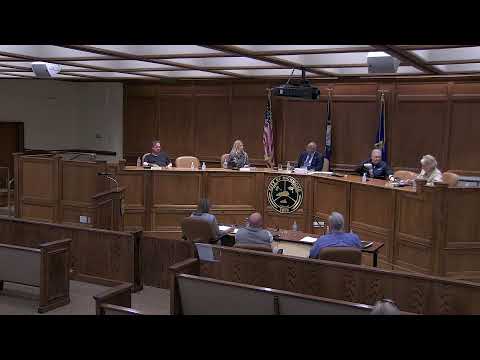
The ordinance passed on a roll call vote: Commissioners Cole, Goebel and Newby and Mayor Blythe voted yes; Commissioner Brewer voted no. The ordinance will take effect upon publication as provided by law.
What happens next: staff said they will provide clarified language and additional cleanup in a forthcoming broader revision of the development ordinance, and the commission indicated it will continue to press enforcement against operators who do not comply with licensing, inspection and transient tax requirements.