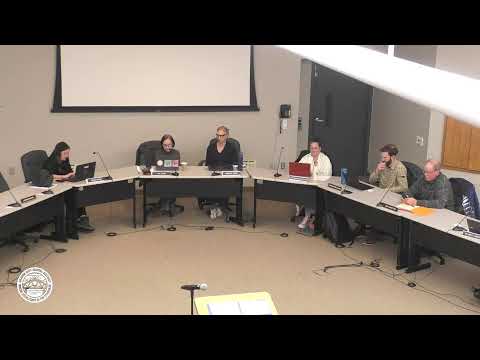
District outlines tax impact of $49.9 million capital project and weighs delaying 9‑period day to lower levy
Loading...
Summary
Officials told the board the $49.9 million capital project will raise future principal-and-interest by about $1.4 million, keeping the levy at the tax cap (4.47%). Board members discussed cuts totaling roughly $250,000–$500,000 and whether to delay the proposed 9‑period day (estimated $250K–$300K) to reduce the tax impact.
District finance staff and administrators told the Beacon City School District board on March 23 that the proposed $49,900,000 capital project will add about $1.4 million in future principal and interest costs, an increase partially offset by estimated building aid and a small transfer for capitalized interest.
The finance presentation put the levy increase tied to the project at 4.47%, the district’s tax‑cap maximum. "Included in the 26‑27 budget is an increase of $1,400,000 for principal and interest payments in the future to pay for the $49,900,000 project," the presenter stated. The presentation notes an estimated building‑aid offset of roughly $164,000 and a $135,000 transfer from capitalized interest to dampen the near‑term tax effect.
Why it matters: the board must set a tax levy that balances capital needs and local taxpayer burden. Administrators showed scenarios: reducing the levy to about 3.98% would require cuts near $250,000; a 3.48% levy would need roughly $500,000 in reductions. The district also translated the percentage changes into per‑household impacts for clarity, estimating a homeowner at the median value would see about $213–$244 more per year under the current levy scenario, and savings of roughly $24–$25 annually if the board cut $250,000–$500,000 from the budget.
A second, related decision before the board concerned a proposed 9‑period day at the middle school and its staffing costs. Administrators estimated the 9‑period model would cost between $250,000 and $300,000 a year, largely for additional teacher FTEs. The superintendent said that, if the board wants to lower the levy, delaying the 9‑period change would be the least harmful immediate option, since many other savings would affect staffing or program delivery.
Board members pushed for options that preserve key student opportunities while trimming costs. One member suggested a compromise: "Could we look at what it might look like if we kept the 9‑period day and still tried to cut $250,000?" The superintendent and finance staff said they would model scenarios and present them at the April 13 meeting or at an additional, specially scheduled session before the April 24 tax‑report deadline.
Next steps: the board will finalize the budget presentation on April 13 and must file its property tax report by April 24. Administrators committed to return with more granular options that would attempt to balance the 9‑period proposal with levy reductions.