Ann Arbor adopts comprehensive land use plan; Planning Commission to translate it into zoning
Loading...
Summary
Ann Arbor officials say the Comprehensive Land Use Plan (CLUP) has been adopted after years of public input; the Planning Commission will now draft zoning changes prioritizing transit corridors, limiting neighborhood heights and expanding duplex/triplex allowances.
Ann Arbor has adopted a new Comprehensive Land Use Plan that city officials say balances expanded housing options with neighborhood character and environmental protections.
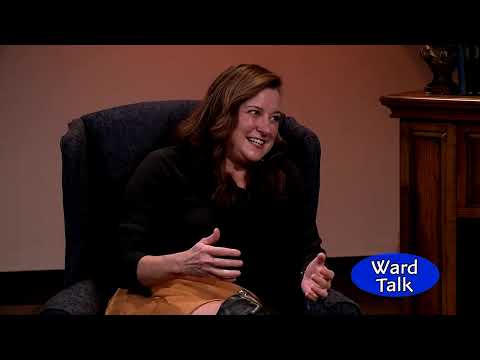
Councilmember Jen Cornell, speaking on CTN's Ward Talk, credited months of public meetings and volunteer review for shaping the plan. “The Planning Commission literally went through this hundreds of pages of the comprehensive land use plan, in public meetings, page by page,” Cornell said, describing a process that incorporated input from the Planning Commission, the Renters Commission and the Sustainability Commission.
The CLUP calls for increased housing variety — including duplexes and triplexes in places where they previously were not allowed — while limiting large-scale density near single-family neighborhoods. “City council had directed the Planning Commission, which was adopted in the final plan, to think about density in our neighborhoods as being capped at 3 stories,” Cornell said, signaling that immediate high-rise development next to single-family homes is not part of the adopted approach.
Cornell emphasized that infrastructure capacity will be evaluated on a project-by-project basis. Public works will assess sewer and water capacity before a development is approved; if capacity is insufficient, projects must be adjusted or developers may be required to fund necessary infrastructure improvements. Cornell said this review process will remain intact as zoning changes are drafted.
The next formal step is for the Planning Commission to translate the CLUP's policy direction into specific zoning changes and recommendations for City Council. Cornell urged residents to stay engaged during that zoning phase and to use the city’s Engage A2 portal for updates and opportunities to comment.
The Planning Commission’s recommendations will return to City Council for consideration and potential adoption; the timeline for individual zoning amendments was not specified on-air.