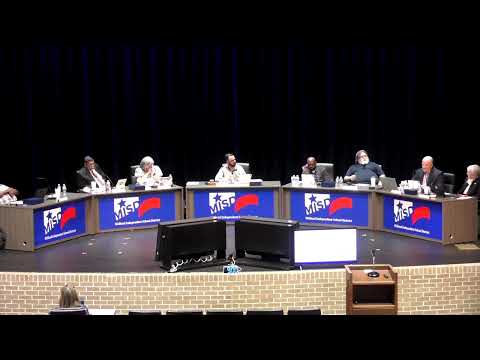
IDEA Travis defends partnership results and funding at Midland ISD public hearing
Loading...
Summary
After a public hearing, IDEA Travis representatives and parents described student gains and presented performance and budget data; trustees pressed for clearer, apples-to-apples financial comparisons and residency data before negotiating contract amendments. (Unanimous approval of the targeted improvement plan.)
IDEA Travis officials told the Midland Independent School District Board of Trustees on March 24 that the partnership campus has shown measurable student gains but still falls short of district expectations, and they asked for nuanced review of funding differences and operational context.
At a public hearing and Q&A, Jeff Cottrell, speaking for IDEA Travis, reviewed the partnership’s history and presented accountability and fiscal figures. Cottrell said the campus has moved from historically low performance toward higher forecasted meeting rates but called the current forecast “not good enough for our students” and urged continued focus on classroom instruction and coaching. He described daily monitoring practices, use of high-quality instructional materials, DIBELS literacy checks, frequent professional learning communities and targeted interventions to accelerate student progress.
Parents and a student also testified in support of IDEA Travis. Jasmine Perez described her son’s six-year journey from late dyslexia diagnosis to becoming a mastery student after services through IDEA, and other parents and students credited small classes, individualized attention and special-services coordination for academic and social improvements.
Trustees focused on finance and accountability. Several asked that IDEA’s fiscal slide deck include explicit apples-to-apples comparisons showing what Midland ISD provides in services and what IDEA pays for itself, especially around maintenance/operations and transportation. Cottrell acknowledged offsets provided by local partners and philanthropy and invited the board to request clarified slides; he described an example per‑pupil funding differential the presenter calculated for discussion purposes, noting philanthropic support helps close that gap.
Board members also asked for residency data; district staff later supplied a figure that 413 students living in the local zone attend IDEA Travis (about 32.6% of the campus enrollment, as presented to the board). Trustees asked IDEA to identify philanthropic partners; IDEA said it receives foundation support but declined to name donors in the meeting.
After the hearing and questions, trustees unanimously approved the 2025–26 targeted improvement plan for IDEA Travis and then voted to direct board counsel and the superintendent to negotiate proposed amendments to the IDEA contract covering board goals, teacher quality and progress reporting.
What happens next: district staff and counsel will take the board’s direction to begin negotiating contract amendments with IDEA and will return proposed language and clarified financial comparisons for future review.