Get Full Government Meeting Transcripts, Videos, & Alerts Forever!
Get email alerts on the Boards And Commissions topic
No spam. Unsubscribe anytime.
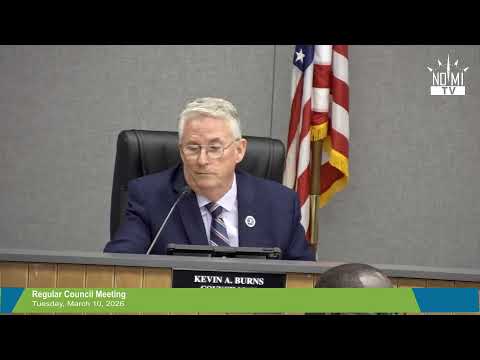
Council votes 3–2 to abolish downtown advisory committee after packed public hearing
Summary
After extensive public comment and testimony that the Downtown Action Plan Advisory Committee (DAPAC) provides valuable volunteer service, the council voted 3–2 in favor of an ordinance repealing the committee; residents and committee members protested and raised concerns about notice and legal procedure.
A contentious public hearing on March 12 culminated in a 3–2 council vote to abolish the Downtown Action Plan Advisory Committee (DAPAC), a volunteer advisory body for downtown planning.
Multiple speakers who identified themselves as current or former committee members urged council to keep the committee and offered solutions for attendance and quorum problems. Maxwell (self-identified as an architect and former DAPAC member) said abolishing the body without explanation and without giving members a chance to fix attendance issues was "unjust and unfair" and warned of lost volunteer expertise. Sebastian Semler, who said he served as the committee chairman, questioned the legal basis for abolition and pointed to the city code’s mechanisms for addressing attendance.
"Our North Miami code already anticipated attendance challenges... There's nothing in the ordinance that authorizes abolishing the committee simply because of attendance or quorum issues," Semler said during public comment.
Council members who supported the ordinance cited repeated attendance and quorum shortfalls and argued the committee could be reimagined or replaced. After council debate and an opportunity for public comment, the motion to repeal the advisory committee passed by a 3–2 margin. The vote drew audible objections from attendees at City Hall.
The repeal will remove DAPAC from the code and direct staff to proceed under the adopted ordinance language; residents and some committee members asked council to consider alternatives such as active reappointments, clearer attendance enforcement, or a reconstituted advisory body.
The council’s vote was recorded during the second reading of the ordinance (Tab K). Staff and council members said they would follow up on broader questions about board appointment policy and the status of other citizen advisory boards.