Get Full Government Meeting Transcripts, Videos, & Alerts Forever!
Get email alerts on the Lagoon Restoration topic
No spam. Unsubscribe anytime.
SANDAG and Buena Vista Audubon outline progress, funding gaps for Buena Vista Lagoon restoration
Summary
SANDAG reported technical studies and design progress for the Buena Vista Lagoon enhancement project but said existing grants cover only about 65% of design work; presenters and committee members urged pursuing $5–6 million to make the project shovel-ready and noted construction could cost roughly $90–100 million. The Audubon Society said its separate 6-acre wetland-reserve project has permits and funding to shovel-ready and includes public-access and habitat measures.
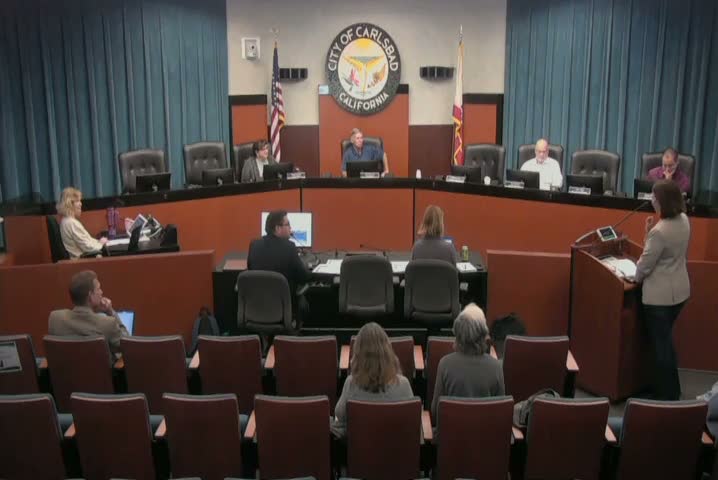
SANDAG and local partners told the Buena Vista Lagoon Joint Powers Committee that technical work on the lagoon enhancement project is advancing but that significant funding remains to be found before construction can begin.
Kim Smith, senior planner with the San Diego Association of Governments (SANDAG), said SANDAG’s team has completed geotechnical borings, sediment analyses, vegetation surveys and both fluvial and tidal modeling. She said two grants received in 2021—from the Wildlife Conservation Board and CDFW Prop 1—totaled “about $4,000,000” and have carried the project to roughly 65% design. Smith said the project’s grants end in January 2026 and estimated the team needs “between 5 and 6,000,000” to reach shovel-ready status (complete 65% design, final engineering, permitting and NEPA clearance). She added that construction is estimated “at about 90 to $100,000,000.”
Smith also said SANDAG has a federal earmark “of a little over $1,000,000” under consideration and that staff have discussed phasing options with Caltrans; a bridge widening on I‑5 would affect timing for certain elements but, Smith said, the lagoon project could proceed independently of the larger I‑5/78 corridor mitigation schedule.
Committee members pressed for a coordinated funding push. One member recalled being assigned to the project 16 years ago and urged stronger leadership and lobbying efforts in Sacramento and Washington to secure gap funding. Committee members and mayors discussed potential sources—Prop 50, Prop 4 and Coastal Conservancy funds were all mentioned as possible avenues—and suggested convening regional stakeholders to move the project forward.
Separately, Natalie Shapiro, executive director of the Buena Vista Audubon Society, presented a related wetland-reserve restoration and resiliency project on the north shore of the lagoon. Shapiro described a footprint just under 6 acres (about 3.5 acres owned by the Audubon Society, plus three small city parcels and roughly two acres of state Fish and Wildlife land) and said the project’s goals include habitat improvement, water‑quality treatment features (bioswales and riprap), ADA-accessible trail improvements and provisions to reconnect Indigenous peoples to ancestral lands.
Shapiro said the Audubon project has “full funding all the way to shovel ready,” that the City of Oceanside certified the CEQA document and issued a local coastal program permit in January, and that staff are preparing for a consolidated coastal development permit with the Coastal Commission because multiple jurisdictions are involved. She acknowledged that habitat composition will change when the larger lagoon transitions from freshwater to tidal conditions and said the planting plan will account for species that can tolerate both conditions or will include phased replanting as needed.
Committee members also raised public‑safety concerns near the Nature Center and trail terminus, where residents, children and Indigenous elders currently cross Coast Highway. Oceanside staff said a crosswalk had been proposed at Eaton Street with lighting and flood considerations but that the status needed updating; members asked staff to explore faster, interim safety measures and traffic‑calming options.
The committee did not take an action to fund construction at the meeting but approved administrative items (meeting calendar and dissolution of two ad hoc committees). Staff offered to assist SANDAG with grant-writing capacity if needed and presenters said they would return with additional detail as grant opportunities develop.