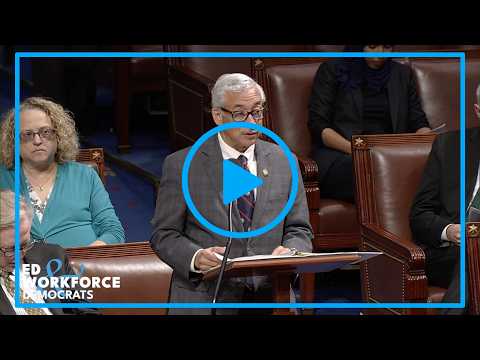
Lawmaker urges passage of Muhammad Ali American Boxing Revival Act, highlighting fighter health and pay protections
Loading...
Summary
A lawmaker on the House floor urged support for HR 46 24, the Muhammad Ali American Boxing Revival Act, describing bipartisan changes that expand neurological testing, require qualified ringside physicians and on-site medical staff, raise insurance and per-round pay minimums, and limit long contracts.
A lawmaker on the House floor said they rise in support of HR 46 24, the Muhammad Ali American Boxing Revival Act, and asked to place additional views in the committee report record.
The lawmaker said the bill amends federal law governing safety, transparency and integrity in professional boxing and stems from bipartisan negotiation with House colleagues, including Chairman Wahlberg, the workforce protection subcommittee ranking member Omar, and Representatives Stevens, Charice Davis and Brian Jack. The speaker described the current version as significantly improved from the introduced bill.
Supporters argued the bill strengthens health and safety protections for fighters by adding neurological testing, ensuring qualified ringside physicians are available, requiring on-site medical personnel for emergency preparedness, and expanding prebout medical testing. The lawmaker framed those provisions as addressing brain-health risks long associated with the sport.
The statement also described economic-security changes: increasing minimum insurance coverage for injuries, adding accidental-death coverage, and raising the minimum compensation per round. The lawmaker characterized these changes as steps to reduce financial vulnerability for fighters who face career-ending injuries.
On competitive integrity, the lawmaker said the bill standardizes anti-doping rules, increases drug testing, and seeks to rein in the proliferation of championship titles that can dilute competition. They also said the bill limits contract length for fighters and includes provisions to ensure boxers have opportunities to compete or be compensated and to pursue other opportunities while under contract.
Looking ahead, the lawmaker urged the Senate to build on the House's work and suggested the upper chamber consider language to ensure enforceability, including prohibiting contract clauses that bar class actions or mandate private arbitration. The speaker asked that those suggestions be entered as additional views accompanying the committee report.
The lawmaker concluded by thanking bill authors Representative Charice Davis of Kansas and Brian Jack of Georgia and reserved the balance of their time.