Conservation advocates urge Charleston County to fully fund Greenbelt program in sales tax referendum
Loading...
Summary
Conservation groups and local officials urged council to allocate the full 20% conservation share of the transportation sales tax to the Charleston County Greenbelt program, advocating restoration of a 70% rural/30% urban funding split to protect Cape Romain, Francis Marion and rural buffers.
Multiple speakers during the public-comment period urged Charleston County Council to prioritize land conservation in the upcoming transportation sales tax referendum.
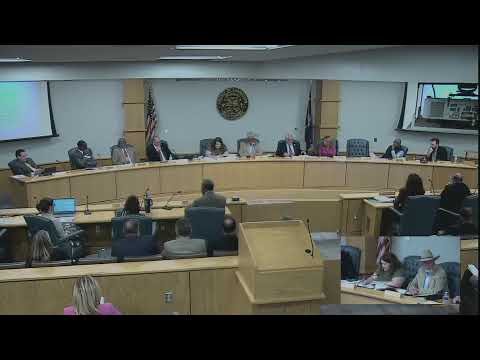
Grace Gasper, representing Friends of Coastal South Carolina and also identifying herself as an elected official in Awendaw, asked the council to allocate the full 20% conservation share to the Charleston County Greenbelt program. She cited threats from rapid development to habitats and water quality in areas such as Cape Romain and the Francis Marion National Forest, arguing that Greenbelt protections would help direct growth away from vulnerable rural buffers.
Louise Maybank, who said she served on the original Greenbelt planning committee and chaired the advisory board, urged restoring a 70% rural / 30% urban funding split. She said that allocation was recommended after months of study and would best serve the county over the next 25 years by protecting both natural lands and the culture of communities that live among them.
Chris Crowley, identified as executive director of Coastal Expeditions Foundation and mayor of Awendaw, urged that conservation funding be preserved alongside needed public-transit investments, noting the county’s rapid growth. Public commenters framed the question as balancing development pressures with long-term resilience and quality of life for Charleston County residents.
Council did not take formal action at this meeting on the referendum allocations; speakers requested that the county fully fund the Greenbelt program and, where appropriate, restore the rural/urban split recommended in earlier planning.