North Miami council pauses move to monthly billing and tax‑roll sanitation after public outcry
Loading...
Summary
Council voted to postpone changes that would shift utility billing from quarterly to monthly and to begin the process of collecting sanitation charges on property tax bills, after residents expressed affordability and legal concerns and councilmembers asked for more analysis.
The North Miami City Council voted on Wednesday to postpone consideration of two interconnected utility policy changes: moving water and sewer billing from quarterly to monthly (Tab F) and initiating the process to collect residential sanitation fees as non‑ad valorem assessments on property tax bills (Tab G).
Vice Mayor Cassandra Timothy and other officials outlined the proposed changes as methods to improve cash flow and collections for the city’s water enterprise. Administration materials cited a roughly 50% overall collection rate and long outstandings (tens of millions of dollars), and staff said monthly billing and tax‑roll collection could stabilize revenues.
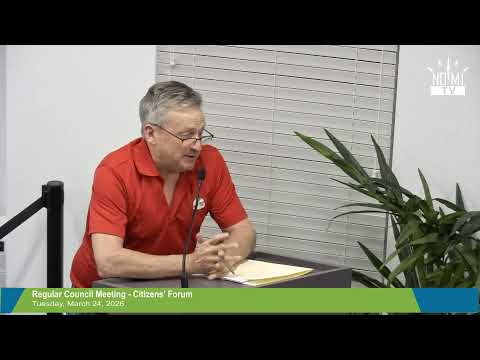
However, residents and councilmembers pressed several risks: household affordability for low‑income residents, mortgage escrow impacts, the consequences of tax liens for unpaid assessments, and an uneven collection record—particularly large delinquencies by some multifamily property owners and HOAs. Public commenters including long‑time residents Eileen Bicaba and Deborah Davies urged more enforcement against commercial owners and better public outreach before changing billing mechanics.
CFO Angela Reyes and staff explained current collection metrics (residential and commercial collection rates reported in briefings) and said stronger enforcement and meter accuracy must accompany any billing changes. Council discussion also touched on recent and expected rate increases tied to state mandates and the city’s longer‑term water plant financing needs.
Council action: After deliberation, the council voted to table Tab F (monthly billing) and Tab G (move sanitation to property tax) so staff can produce further analysis, written assumptions, and community outreach plans. Councilmembers emphasized enforcement improvements and clarity about timing and impact before any ordinance change.
Outcome: Both items were postponed (tabled) to allow staff to return with additional fiscal and implementation detail and to conduct public education and stakeholder meetings.