Citizen Portal
Sign In

Stockton council prioritizes public safety, economic development and homelessness after staff presentations

Stockton City Council · February 19, 2026

Loading...

AI-Generated Content: All content on this page was generated by AI to highlight key points from the meeting. For complete details and context, we recommend watching the full video. so we can fix them.

Summary

At a priority‑setting workshop, Stockton councilmembers converged on public safety, economic development and homelessness/infrastructure as top priorities; staff will fold the direction into departmental work programs and the budget.

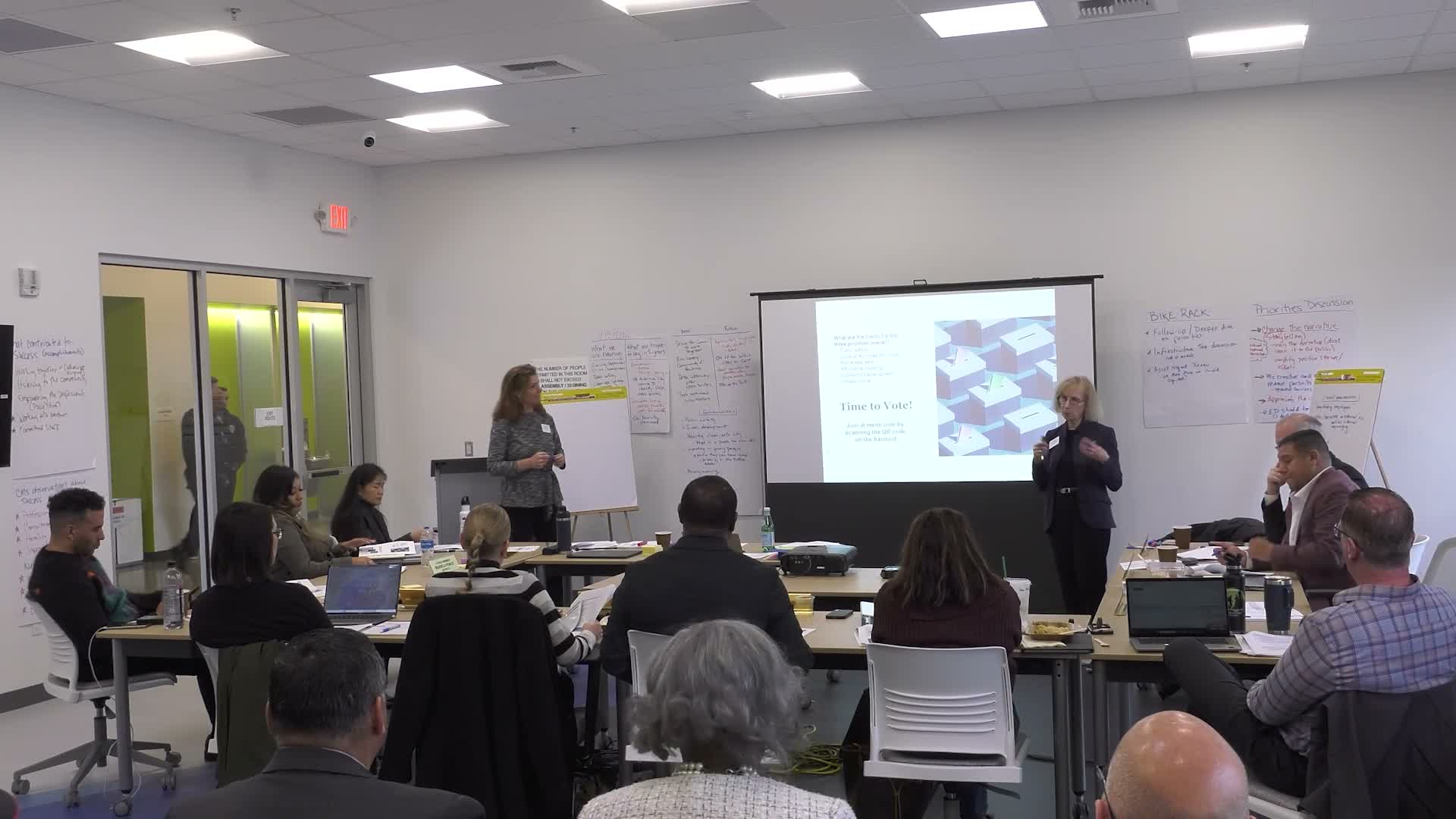
Mayor Figasi opened Stockton’s annual priority‑setting workshop and facilitators from Raftellus walked the council through a short visioning exercise and six staff‑identified priority areas. After presentations from public‑safety and city departments, members repeatedly named public safety, economic development and homelessness/infrastructure as their top three priorities.

Those priorities will guide the city manager’s work plan and the upcoming budget. City Manager Johnny told the group the workshop provides the council’s “playbook” that staff will turn into departmental work programs and budget proposals. On the scale of capital needs he said the city must think five years ahead and “put a plan in place” to address sweeping infrastructure deficits.

Why it matters: council priorities shape what the city funds. Staff said they already have work programs under way for the six areas the facilitators highlighted — public safety, homelessness, economic development, affordable housing, youth activities and infrastructure — and that the budget process will be the formal place to convert council direction into resources.

Police Chief (identified in the workshop as the department lead) highlighted recent reductions in violent and property crime and described a suite of prevention and youth outreach programs, saying, “We have reduced crime in the city of Stockton … We’re at a 15‑year low when it comes to violent crime and property crime.” The chief outlined traffic‑safety efforts, expanded motor units and programs such as campus connections, police aides and youth sports that aim to deter violence and build recruitment pipelines.

Margaret Jones Taylor, interim community services director, described expanded recreation offerings and an activity guide to publicize free programs. She said the department will hold a job expo March 14 with live interviews and expand pilot programs for at‑risk youth so residents can better access services and summer employment.

Several councilmembers emphasized the linkage among priorities: improving public safety depends on investing in prevention and youth programming and on economic development that increases the city’s revenue base. City Manager Johnny and staff discussed a range of revenue tools and grant strategies to fund infrastructure and program delivery, and staff committed to returning with more detailed work‑program and budget options.

The workshop closed with agreement that staff will prepare a written report documenting today’s direction, that the city manager will incorporate council guidance into the budget and work programs, and that facilitators will include workshop materials and participant feedback in a summary report to the council.