Witness says Medicare dialysis reimbursements can force rural clinics to close
Loading...
Summary
At a congressional hearing on ESRD policy, Dr. Taylor testified that Medicare reimbursement rates can be below the cost of care, creating staffing pressures and risking closure of rural dialysis units if payments are not sustainable.
Dr. Taylor told a congressional hearing that Medicare reimbursement rates for dialysis can fall below providers’ costs, creating staffing pressure and risking the closure of rural dialysis units.
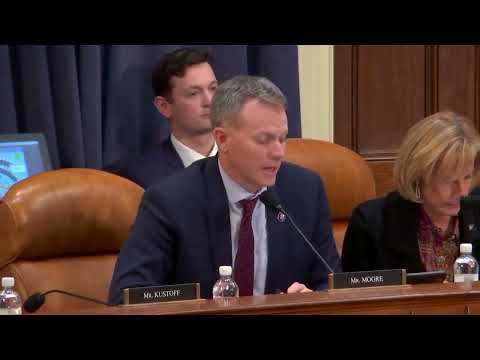
The lawmaker who led questioning, identified in the transcript as Congressman Warren, opened by noting that 90 percent of dialysis patients are Medicare beneficiaries and that Medicare spending on ESRD exceeds $50 billion a year. He asked Dr. Taylor where the ESRD bundle could be improved to spur innovation.
Dr. Taylor, speaking for a not-for-profit provider, said reimbursement rates sometimes trail the cost of care and that annual updates are not always sufficient to make providers whole. "If reimbursement isn't adequate for us to be competitive in the employment environment in a community, we will... have the risk of losing and not being able to provide care," Dr. Taylor said, adding that staffing shortages since COVID have intensified competition with hospitals and large employers for patient care technicians.
"There are times when we have to... close a unit," Dr. Taylor said, warning that rural communities are "particularly at risk" if payments do not cover operating costs.
The exchange focused on whether changes to Medicare's ESRD payment model (the "ESRD bundle," a Medicare payment structure for dialysis-related services) could better encourage innovation or sustain provider operations in lower-volume or rural areas. Dr. Taylor emphasized that not-for-profit providers make long-term staffing and service decisions but still require sustainable reimbursement to remain open.
Congressman Warren thanked the witnesses and yielded back, concluding the questioning in this excerpt.