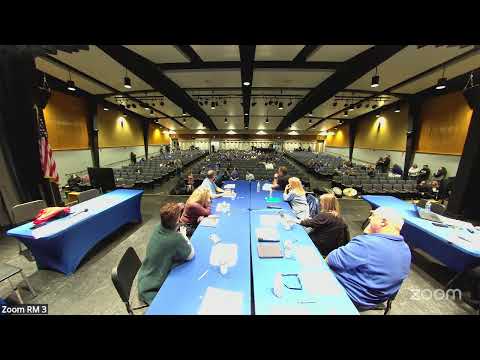
Rondout Valley board hears five-year projections, faces $742,000 shortfall; insurance change eyed
Loading...
Summary
At a March 24 budget workshop the Rondout Valley Central School District reviewed five-year revenue and expense projections, outlined proposed staff reductions that would save roughly $933,000 (six months) and said a health-plan change could cut the remaining gap to about $92,000; board discussed reserves and a tax-cap override as options.
The Rondout Valley Central School District reviewed a five-year budget forecast and a set of proposed staff reductions at a March 24 budget workshop as officials sought ways to close a projected operating gap.
The presenter said projected 2026 salary expense is about $32,000,000 and projected health insurance about $16,000,177, with district revenues shown near $81,189,000. The presenter summarized the gap after proposed reductions: "We still have a $742,172" shortfall after accounting for estimated six-month savings from position eliminations and transfers.
The presenter outlined proposed reductions by position type, including teacher aide and library aide cuts, internal transfers for reading staff and elimination of a limited number of sections. The presenter said those changes would produce roughly $933,000 in six-month savings but noted the gap would persist unless other measures are taken.
The presenter added that changing to a higher co-pay health plan could yield an estimated "$650,000" in savings and reduce the shortfall to about $92,170; the presenter said the board could use reserves to cover the remainder if the insurance change did not materialize. The presenter also cautioned that using capital reserves for operating costs can forfeit state reimbursement for capital projects.
Board members discussed alternatives including using reserves, pursuing a tax-cap override, and the trade-offs of dipping into capital funds. The Chair framed the process as difficult and emphasized community outreach should the board consider asking voters for a higher levy: "we really be out there in our communities to ensure the super majority."
On classroom impacts, the presenter said projected class sizes would rise in some grades but remain within contractual limits; examples included a projected rise in some elementary class averages from 16 to 19 students and potential single-class increases to about 22 in specific schools.
The workshop did not adopt a final budget. The board later approved procedural motions and voted to move into executive session to discuss personnel matters.