Votes at a glance: Ypsilanti council approves multiple dangerous‑building orders, denies FOIA appeal
Loading...
Summary
Council approved hearing‑officer orders for several properties (539 S. Huron; 558 Madison amended; 601 E. Michigan; 1032 Watt Lane with conditions) and denied a FOIA appeal seeking unredacted police records. Deadlines and fee requirements were added for properties with active owners.
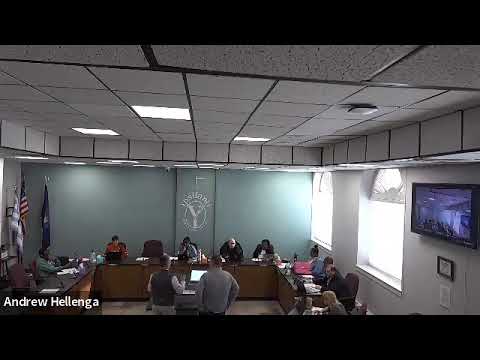
YPSILANTI — At its recent meeting the Ypsilanti City Council processed several hearing‑officer orders under the city’s dangerous‑buildings procedures and acted on a FOIA appeal.
What the council approved
- 539 South Huron (Resolution 2026‑079): Council approved the hearing‑officer’s order requiring compliance within 60 days after staff reported missing special‑inspector reports and structural deficiencies (approved unanimously by those present).
- 558 Madison (Resolution 2026‑080): Staff described a gutted interior and exterior deterioration. Council amended the hearing‑officer’s order to require the building be secured in 15 days, fees brought current in 60 days, and permits pulled and work started within 60 days; the amended motion passed.
- 601 East Michigan (Resolution 081): Council approved the hearing‑officer’s order for a fire‑damaged commercial gateway property; the motion and amended motion passed on roll call.
- 1032 Watt Lane (Resolution 082): Staff described severe roof and structural deterioration; the owner said the property is in contract for sale. Council amended time and fee requirements and approved the modified order.
FOIA appeal denied
Council heard a FOIA appeal from Ashvin Nori requesting unredacted police reports and body‑camera video related to a February incident. The city attorney recommended denying the appeal under FOIA’s privacy exemption because the requested materials contained third‑party complainant information; the council voted to deny the appeal.
Why it matters: The council’s actions enforce local building and public‑safety codes across several properties, impose deadlines and fees that push owners to act, and show the city using available administrative remedies to address chronic blight. The FOIA denial underscores the city’s obligation to protect privacy in certain law‑enforcement records.
What happens next: For each modified order the building department will monitor compliance and report back; noncompliance can lead to demolition and cost recovery or further legal action.