Bill would broaden local property tax credit for disabled or fallen public safety officers
Loading...
Summary
Sen. William Fulton told the Ways and Means Committee SB 328 would let counties expand property tax credits to disabled public safety officers and surviving spouses regardless of cause of death; proponents said many counties already adopt such credits and cited modest fiscal estimates.
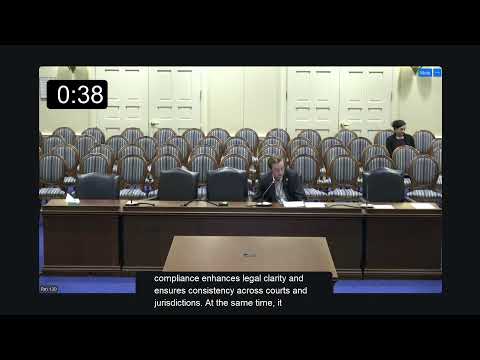
Senator William Fulton presented SB 328 to the House Ways and Means Committee on March 24, saying the bill would expand local options for property tax credits to cover disabled public safety officers who died in service regardless of cause and to allow applicants to transfer a prorated credit to newly acquired dwellings.
"This bill makes changes to the local options for property tax credit for disabled or fallen public safety officers by expanding eligibility," Fulton said, describing the measure as enabling legislation that leaves adoption and detailed criteria to counties.
Former Delegate John Cluster and Daniel Fickas, past president of the Baltimore City Fraternal Order of Police, testified in support, telling the committee that many counties already provide similar credits and that including surviving spouses would correct an oversight. Fickas said the Baltimore fire and police pension system has nearly 898 non-duty disabled beneficiaries and that average annual retirement benefits cited in testimony were about $23,500, underscoring concerns about surviving spouses facing increased tax bills.
Witnesses and the sponsor emphasized the enabling nature and modest fiscal footprint. Cluster referenced a prior fiscal estimate of roughly $428,000 statewide and noted Montgomery County’s fiscal note of about $30,477, arguing that county-by-county adoption keeps state cost limited. The sponsor requested a favorable report; the committee did not take a vote at the hearing.