Get AI Briefings, Transcripts & Alerts on Local & National Government Meetings — Forever.
Doctor warns committee that new parental‑access language could chill adolescent care
Loading...
Summary
A child and adolescent psychiatrist told the Senate health committee that an amendment expanding parental access to rehabilitation records risks discouraging adolescents from seeking care and harming public health; the committee adopted the amendment and reported the bill to the calendar after extended questioning.
A day of debate in the Senate health committee turned to the rights and confidentiality of adolescent patients after an amendment rewriting a parental‑access bill cleared the panel.
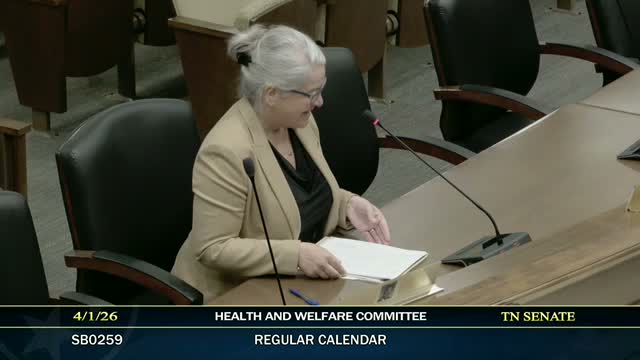
Dr. Meg Benningfield, a child and adolescent psychiatrist speaking for the Tennessee Psychiatric Association, told the committee that "removing a critical protection of privacy from adolescents will not help families" and warned the change could discourage vulnerable teens from seeking care. She described clinical practice in which confidential, one‑on‑one conversations between providers and adolescents are essential for care and said routine notes merge narrative with assessment, making it difficult to segregate a teen's disclosures from a clinician's treatment recommendations.
The amendment aligns parts of the proposal with the Family Rights and Responsibilities Act but narrows release language by defining and limiting "rehabilitation records" to diagnosis and the provider's recommended course of treatment, excluding the adolescent's direct communications to the provider, proponents said. Sponsor Senator Poteet (on the record) described the change as a narrow expansion allowing parental access to certain rehabilitation records while preserving protections for what patients tell clinicians.
Committee members pressed witnesses on how records are documented and whether clinicians could practically separate notes to preserve confidentiality. Dr. Benningfield and other witnesses said routine psychiatric progress notes commonly combine content and that separating content or producing redacted records would impose additional workflow or documentation changes on clinicians.
Senators also questioned how the amendment interacts with existing laws that grant 16‑ and 17‑year‑olds certain mental‑health rights; Kayla Gerritsen of the Tennessee Freedom Initiative said the bill aims to resolve conflicting 2024 statutes by clarifying when parental access applies and where it is limited.
After extended discussion and questions, the committee adopted the amendment and reported the measure to the calendar by roll call (committee recorded 8 ayes, 1 no on the later vote), moving the bill forward for floor consideration.
The debate highlights unresolved tensions between parental access and adolescent confidentiality; committee members flagged potential implementation questions — including documentation practices, mandated reporting thresholds, and how higher‑education students were treated — that may resurface in later stages of the bill's consideration.