Get Full Government Meeting Transcripts, Videos, & Alerts Forever!
Get email alerts on the Workforce Retention topic
No spam. Unsubscribe anytime.
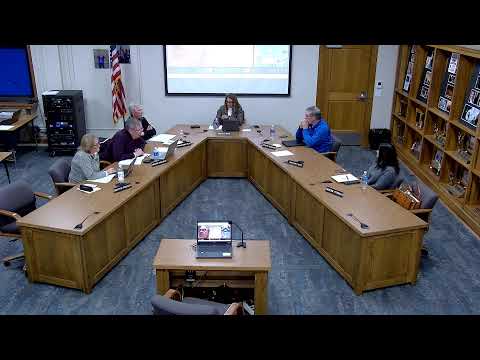
Board agrees to hold workshop on staff recruitment and retention after public testimony
Summary
Following multiple public commenters and board remarks about turnover, the Brainerd board agreed to continue discussion on recruitment and retention in a workshop and to consider an ad hoc committee with educators, administrators and community representatives.
Board members agreed to follow up on recruitment and retention concerns after a string of public comments from educational assistants, teachers and community members about working conditions and contract negotiations.
Educational assistant and union president Sarah Bridal, who said she has worked in the district since 2009, urged the board not to "balance the budget off the backs of the people that make the least and care for the most vulnerable," listing EAs’ duties that include toileting, feeding and behavior support. Laura Paulson, a classroom teacher, described being "overwhelmed, overworked and underpaid," and said larger class sizes and increased behavior incidents have made daily work unsustainable.
Director Ward proposed forming an ad hoc committee or convening a workshop to study retention strategies and gather boots‑on‑the‑ground feedback from teachers, EAs, administrators and community members. "I would like to see ... some type of an ad hoc committee to study and come up with some ideas on retention and recruitment of our staff," Ward said. Several board members agreed the effort should include people beyond the six board members and that a work session was appropriate; the board set a goal to continue the conversation at an April work session.
Discussion identified several issues as possible drivers of turnover: classroom behavior and safety concerns, pay and benefits, and the perception that staff lack sufficient administrative support. Directors suggested using existing research and best practices rather than recreating studies and recommended that the personnel committee and a broader community committee examine both root causes and potential solutions. No formal vote or funding decision was taken; the board directed that the topic be scheduled for a work session and explored through personnel and committee channels.