Get Full Government Meeting Transcripts, Videos, & Alerts Forever!
Get email alerts on the Strategic Plan topic
No spam. Unsubscribe anytime.
Germantown BZA adopts 'Germantown Forward 2035' as part of its 2026 work plan
Summary
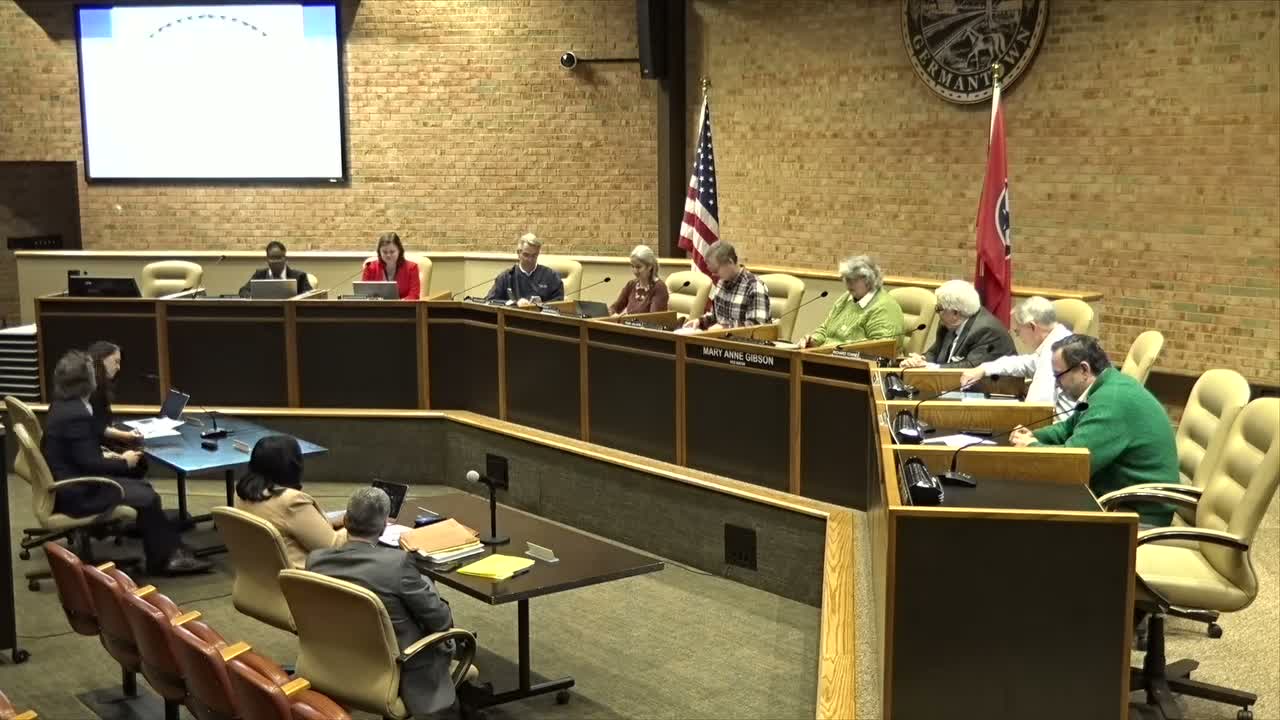
At its Jan. 13 meeting the Germantown Board of Zoning Appeals voted to adopt the Germantown Forward 2035 strategic plan into the board’s 2026 work program. The board unanimously approved the document after a staff presentation that connected the plan’s performance indicators to zoning and development review.
The Germantown Board of Zoning Appeals on Jan. 13 voted to acknowledge and adopt the Germantown Forward 2035 strategic plan as part of the board’s 2026 work plan.
The plan was presented to the board by a city planner identified in the meeting as Cameron, who said the document sets a vision for Germantown as “a vibrant, welcoming community that is a community of choice” and links board work to measurable outcomes including tax revenue, business growth and assessed residential property value. “What you do touches on all of those things that are of value to our community,” Cameron told members during the presentation.
Board members discussed the plan briefly before a motion to approve and adopt the recommendation was made and seconded. A roll-call vote recorded approval by the named members present; no opposition was recorded. The board’s approval formally incorporates the strategic plan into its expected duties and review priorities for the year.
The plan lists several strategic objectives relevant to zoning review, including completing a citywide comprehensive plan and updating the economic development strategic plan. Cameron told members a comprehensive-plan consultant has been selected and that the consultant contract will go to the Board of Mayor and Aldermen at its next meeting.
The board’s adoption does not itself enact specific regulatory changes; rather, it sets priorities and performance indicators—such as median home sale price and assessed value—that the board will use to inform its case-by-case quasi‑judicial work. Members and staff said they expect the BZA to be asked for feedback at various points as subplans and implementation steps are developed.
The meeting proceeded afterward to the board’s annual training and routine administrative items. The BZA adjourned after those items were completed.