Get Full Government Meeting Transcripts, Videos, & Alerts Forever!
Get email alerts on the The Standard Tif topic
No spam. Unsubscribe anytime.
Germantown Board of Mayor and Aldermen votes on proposed TIF for "The Standard" after hours of testimony and an amendment
Summary
After extended public comment and staff presentations, the Board considered Resolution 26R05, the economic impact plan for "The Standard," a 10‑acre mixed‑use proposal. Board members debated timing and revenue tradeoffs; the resolution was put to a roll call after an amendment adding three conditions for the developer.
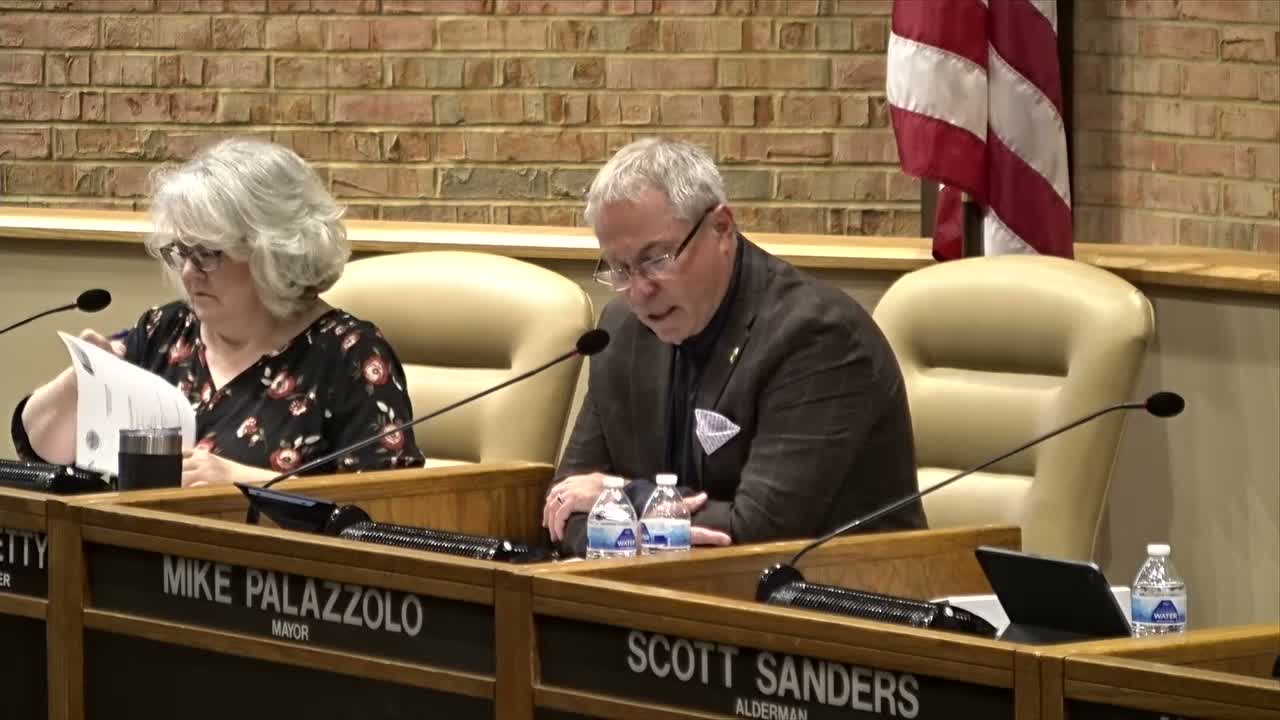
The Germantown Board of Mayor and Aldermen took up Resolution 26R05 on March 9, 2026 — the economic impact plan and Tax Increment Financing (TIF) application for a proposed 10‑acre mixed‑use development known as "The Standard" on the former CareForce shopping center.
City Director Ross told the board the application envisions roughly 150,000 square feet of office, 88,000 square feet of retail, a hotel and a 320‑unit multifamily building with ground‑floor retail. Under the Industrial Development Board (IDB) recommendation the increment would be split 75% to the developer and 25% to the city, subject to a $35,500,000 cap on reimbursable increment and reimbursements beginning only after each phase is completed and appraised. Ross said the base tax year would be frozen at 2025 and that the IDB required a minimum $5,000,000 in public infrastructure and had set a 20‑year term as its policy default.
Developer representative Michael Faye said construction costs and requirements have changed since the project was first reviewed, citing a 43% increase in nonresidential construction material costs between 2022 and 2026. He outlined infrastructure needs (including extensive drainage work and sewer extensions), parking options and design features and argued the TIF was necessary to close a financing gap that would allow the project to be built "to the standards" the city expects. "This is a big investment in the city," Faye said, describing the project as catalytic for the Western Gateway.
Dozens of residents spoke during Citizens to Be Heard before the regular agenda item. Speakers were split: some, including business and civic leaders, urged approval so the site could generate larger long‑term tax and sales revenues for the city; others said the proposed TIF allocation (75% to the developer for up to 20 years) would divert money from the general fund that residents expect to support schools, public safety and services.
Resident Patrick Green urged a public clarification after he found the city's online materials and a taxpayer‑funded mailer used the word "prohibit" in describing a separate charter amendment’s effect on mayoral outside employment; Green said the ballot language does not use that word and said residents deserve accurate public information. That claim was raised during the meeting's public comment period but did not change the Board's TIF discussion.
During deliberations, Vice Mayor Gibson and Alderman Yulicki emphasized the long‑term revenue and economic activity that the development could bring and the risk that a lesser development would not produce similar returns. Aldermen Sanders and Hicks highlighted concerns about foregoing future property‑tax growth, especially after a recent tax increase and given uncertainty over market timing and whether all phases will be completed.
Alderman Salvaggio moved an amendment to the main motion that the development agreement include three conditions: (1) the applicant will pay for a mutually agreeable third‑party CPA or consultant review of TIF funding requests; (2) all applicant requests for TIF funding must be public record per IDB policy; and (3) the applicant will provide finished office space for the Germantown Police Department at $1 per year for the lease term and two dedicated parking spaces. The Board accepted the three items as a single slate and the clerk recorded the roll call on the amended motion.
The clerk called the roll on the main motion as amended. The recorded votes read aloud by the clerk yielded the vote totals as recorded in the meeting transcript (clerk’s roll call statements are part of the official record). The Board then adjourned.
Why it matters: The Standard occupies a prominent Western Gateway site previously underperforming for decades, and the board’s decision will set a precedent for how Germantown uses tax‑increment tools to stimulate large private investment while balancing long‑term revenue for city services. The applicant and IDB presented conservative revenue projections and a 40‑year net‑present‑value analysis showing positive long‑run benefits under the TIF scenario; opponents questioned the timing and the wisdom of diverting increments after recent property‑tax increases.
Next steps: The transcript records the roll call and the meeting adjourned; any final development and financing agreements would be subject to the conditions recorded by the Board and to subsequent administrative steps if the plan proceeds.