Get Full Government Meeting Transcripts, Videos, & Alerts Forever!
Get email alerts on the Tax Increment Financing topic
No spam. Unsubscribe anytime.
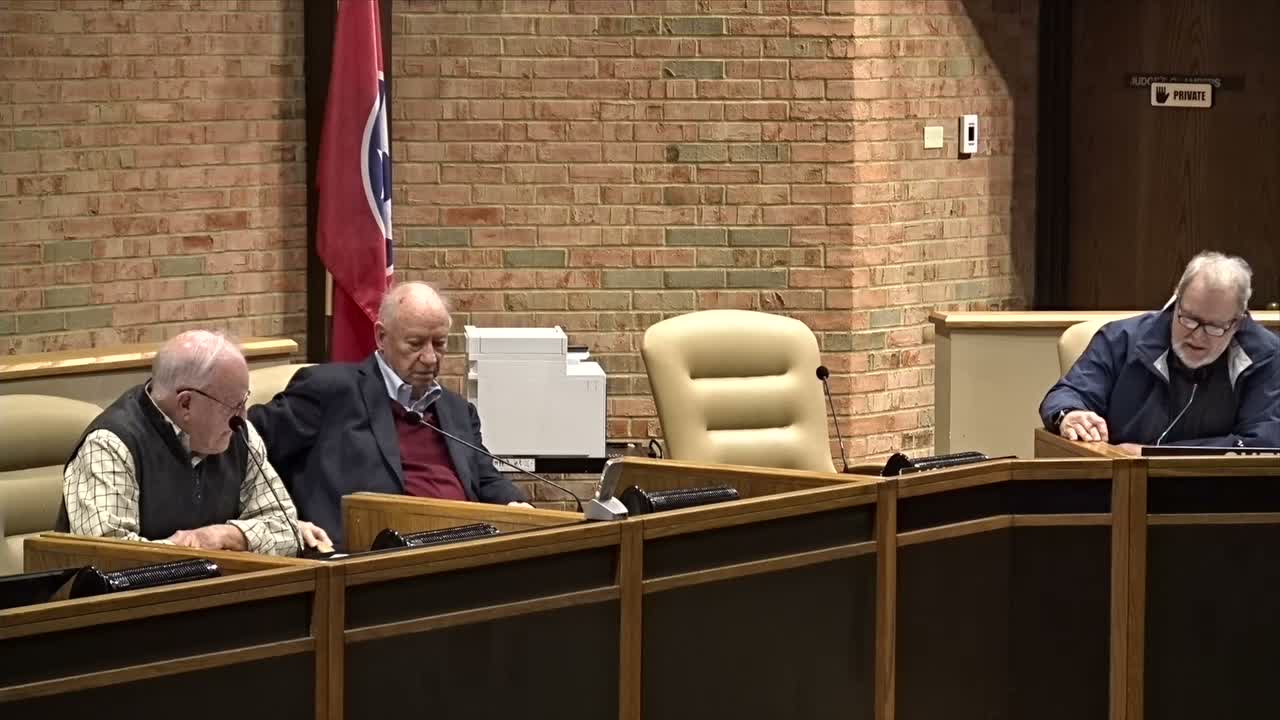
Germantown IDB votes to refer economic impact plan for "The Standard" with $35.5M incremental cap
Summary
After public comment and technical briefings, the Germantown Industrial Development Board voted unanimously to approve an economic impact plan for "The Standard of Germantown" and to forward the plan and a resolution recommending approval to the Board of Mayor and Aldermen and the Shelby County Commission. The motion includes a maximum incremental tax cap of $35,500,000.
The Germantown Industrial Development Board voted to approve an economic impact plan for a proposed mixed‑use project called "The Standard of Germantown" and referred the plan to the Germantown Board of Mayor and Aldermen and the Shelby County Commission with a recommendation for approval. The motion, moved by board member Yonda and seconded from the floor, set a maximum incremental tax cap “not to exceed $35,500,000.”
The decision followed a 30‑minute public‑comment period in which residents raised sharply divergent views. Susan Burnett, of 2223 Otterburn Lane, urged rejection and said she had emailed the board “my factual analysis of why the standards proposal for TIF financing should be rejected,” arguing the developer purchased and demolished property in 2022 and that the city could lose millions of dollars in foregone tax revenue over a 20‑year period. Several other speakers, including Lillian Landrigan and Louise Wilson, said the site is not blighted, questioned who would repay the subsidy if the project falters, and warned of added demand on schools and public safety.
Other residents spoke in favor of the project or its financing mechanism. Chris Connolly said, “Like most homeowners, I’m not looking for anything fancy,” and argued that a tax‑increment approach can help create housing options without immediate cost to existing taxpayers. Board member remarks during the meeting emphasized the projected increase in both property and sales tax revenues compared with the site’s recent performance.
City staff and private consultants presented the technical basis for the board’s recommendation. Cameron, a staff presenter, summarized IDB policy thresholds (minimum $65 million in capital improvements and at least $5 million in public infrastructure) and explained that a TIF‑style allocation in Germantown uses a frozen base‑year tax and directs increment to eligible public infrastructure only after phases are completed and appraised. Consultant Reid Dolberger walked the board through the fiscal model and assumptions, saying, “The math is, all kidding aside, pretty simple,” and describing how base‑year taxes, debt service and discretionary incremental revenues split between city, county and the project under the example scenario.
The developer’s presentation defended earlier demolition and initial construction as steps taken to preserve zoning entitlements and keep the project viable, said the overall project includes roughly $130 million in capital improvements with $35 million of public infrastructure eligible under the IDB policy, and described planned safety measures, controlled access and retail and restaurant components the team says will generate sales tax revenue.
Board members asked technical questions about timing, the Thornwood comparison, how distributions begin only after completed phases are appraised, and whether the approved plan could be monetized into financing. Counsel explained that any subsequent development agreement would contain benchmarks and that failure to meet benchmarks could unwind the deals.
On a roll call the board recorded a unanimous affirmative vote to approve the economic impact plan and to forward the plan and associated resolution to the Board of Mayor and Aldermen for their consideration. The IDB does not have final approval authority; the Board of Mayor and Aldermen and the Shelby County Commission will make the final decisions.
The board adjourned after completing its agenda. The recommended plan and resolution will next be considered by the Board of Mayor and Aldermen and the Shelby County Commission.