South Orangetown board approves two-field turf plan after coaches and parents cite scheduling inequities
Loading...
Summary
The board approved a two-field multipurpose turf plan (Option 2) to address limited outdoor-field capacity, citing student well‑being and scheduling equity; funding will use capital reserves and be tied to interior work to secure state aid. Opponents urged phased work to protect the baseball field.
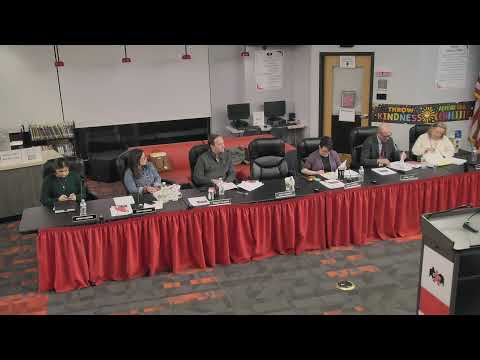
The South Orangetown Central School District Board of Education voted to move forward with Option 2 — a plan to build two independent multipurpose turf fields — after presentations from the field committee, athletics staff and community members emphasizing scheduling problems and student welfare.
The approval follows a presentation by the district’s director of athletics, Mr. Pilla, and testimony from coaches and parent Leanne Pratt, who described practice schedules so inconsistent that students sometimes returned home as late as 9:30 p.m. Pratt said the lack of usable fields “creates a lot of stress for our kids” and urged the board to act to provide equitable, predictable practice and game opportunities.
Athletic director Pilla and facilities director Giancarlo Ventura argued Option 2 — two separate turf fields sited to allow concurrent practices and contests — best addresses the district’s participation levels (Pilla noted more than 50 percent student participation across seasons) and reduces reliance on out‑of‑district venues and costly busing. Ventura said turf fields drain faster, allow more reliable scheduling in poor weather and can lower long‑term maintenance labor and utility costs despite higher upfront expense.
The board and committee members explained the planned funding approach: use existing capital reserves and couple the exterior field work with at least $10,000 of interior improvements (for example, door replacements) so the project qualifies for roughly 38 percent state building aid. Budget staff said the interior work will be specified ahead of final budget adoption.
Some coaches and advocates for baseball urged caution. Speakers warned that converting the baseball field to a multipurpose turf configuration would force baseball to share space and lose dedicated practice access; presenters replied that baseball‑field changes would be considered in a later referendum and that Option 2 avoids robbing one program to help another.
The board’s announcement that “Option 2 was approved” closed the presentation; the superintendent said the proposition related to the project was available for the board’s action that evening and the board confirmed the decision.
What’s next: The district will finalize cost estimates and the interior work scope required to secure state aid, present final costing at the April adoption meeting, and, if included in the approved budget/proposition, the field work would proceed according to the district’s capital schedule.