Norristown resident urges preservation and adaptive reuse of Montgomery County Prison; board to forward ideas to county
Loading...
Summary
Resident Cynthia Culbreath presented a written proposal to preserve and adaptively reuse the 1851 Montgomery County Prison in Norristown, suggesting a prison museum, heritage center and arts spaces; board members said the county owns the site and that plans hinge on a hazardous-materials grant decision.
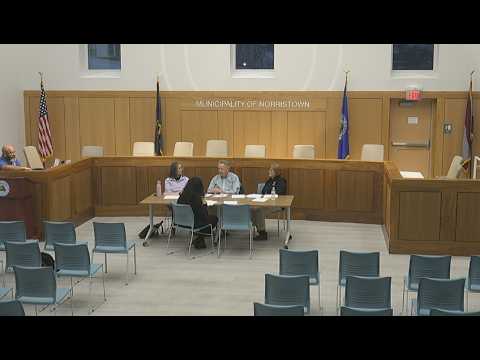
Cynthia Culbreath, a Norristown resident, presented a written visionary proposal asking HARP members to consider preserving and adaptively reusing the Montgomery County Prison on East Erie Street.
Culbreath described the 1851 building (attributed in her presentation to architect Napoleon LeBrun) as a candidate for reuse as a prison museum, a Norristown Heritage Center, exhibition and arts space, seasonal guided tours and related cultural programming. "It presents a rare and valuable opportunity for Norristown to transform a deteriorating landmark into a vibrant destination for historic tourism, education, and cultural development," Culbreath said.
Board members told Culbreath the county owns the property and that the Montgomery County Planning Commission and county commissioners are handling developer selection and hazardous-materials abatement plans. A staff member told the meeting the county had applied for a hazardous-materials grant; the transcript contains inconsistent amounts mentioning both "$1,000,000" and later "$4,000,000" in reference to grants for abatement. The board advised Culbreath to submit her letter to county contacts and the planning commission; members volunteered to forward copies and suggested using the county’s online engagement resources (the planning commission and Montco’s Engage site) to track the project.
Board members discussed possible next steps but did not take formal action at the HARP meeting. One member suggested a preservation-focused exhibit theme tied to local collections (including a reference to a private collector associated with Temple University). The chair and other members indicated they could deliver copies of Culbreath’s materials to county officials; one board member said he would accept an email or hard copy for forwarding.
The board also encouraged Culbreath to speak at a county commission meeting or upload materials through the county’s engagement portal for consideration by the planning commission and commissioners. The board emphasized that any substantive redevelopment proposals and design changes to the building would require review by the county and, if necessary, a future application to the HARP board once a developer’s plan is ready.
No formal motion or vote about the prison proposal was recorded at the HARP meeting.