Lifetime Citizen Portal Access — AI Briefings, Alerts & Unlimited Follows
Idaho State Police brief Bonner County merchants on fentanyl risks, testing and free training
Loading...
Summary
At a Local Merchant Planning Committee meeting, Idaho State Police detectives and Guard counterdrug analysts warned that counterfeit fentanyl is appearing in pills, vapes and powders, explained overdose signs and cleanup protocols, and offered free tailored training for businesses and seasonal staff.
The Idaho State Police and Army National Guard counterdrug analysts told members of the Local Merchant Planning Committee that counterfeit fentanyl is increasingly common in pills, vapes and powder and urged merchants and parents to prioritize awareness and training.
At the start of the briefing the hosts said the presentation would include a documentary and a slide deck designed by Idaho Fentanyl Education. Detective Dakota Christiansen and an unnamed detective from the narcotics division, joined by Staff Sergeant David Fisher of the Guard's counterdrug program, described national and state trends, recent seizures and the practical steps businesses and schools should take if they encounter suspected fentanyl.
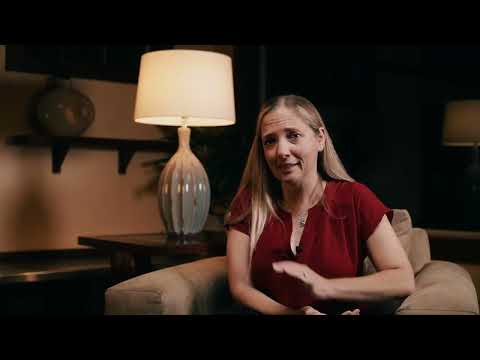
"Fentanyl kills possibly more people than any other drug currently in the U.S.," Dakota Christiansen said during the presentation, and presenters repeatedly used family testimony in the documentary to illustrate the personal harm behind the statistics. Filmmaker Dominic Tierno introduced the video and said it aimed to "revolutionize drug education by telling real life stories that motivate young people to make one of the most important decisions of their life."
Presenters gave several concrete figures to frame the risk. They cited estimated U.S. opioid-fatality ranges presented in the briefing and stated that approximately 2 milligrams of fentanyl can be lethal. They described a recent large DEA seizure characterized in the presentation as about 165 pounds of fentanyl and said Idaho recorded about 550 drug deaths in 2024 (presenters attributed that state number to their internal slide material). The presenters also noted recent state legislation intended to increase criminal liability for dealers when an overdose is fatal; the presenters did not cite a statute number during the meeting.
Speakers emphasized how accessible fentanyl has become to youth: dealers market on social platforms using emoji "menus" to indicate drugs and quantities, and cartridges and counterfeit vape pens that originate overseas have been seized bound for Idaho. An analyst described how some emoji combinations map to drug types or weights and urged parents to check phones and talk to children about suspicious messages.
On testing and cleanup, presenters said cartridges and suspected material are typically sent to forensic laboratories for confirmation. A participant who works in a school district asked whether schools can test nicotine vapes for fentanyl; the detective responded that field kits exist but have uncertain accuracy and that vapes are most reliably confirmed through lab testing. For suspected powder, presenters advised leaving the area, calling law enforcement for evidence pickup, and warned that agencies will not handle raw powder without proper precautions.
The presenters also reviewed overdose recognition and response: a drug-recognition expert described signs such as pinpoint pupils, depressed breathing and flaccid muscle tone. Presenters cautioned that naloxone (Narcan) can reverse an opioid overdose but has a shorter effective half-life than some fentanyl exposures, so emergency-department follow-up is important.
Speakers offered practical outreach: the Idaho Fentanyl Education materials and a recorded version of the presentation are available online, and the Guard's DRO (Drug Reduction Outreach) analysts said they can provide free, tailored trainings for schools, seasonal employees and businesses. Staff Sergeant David Fisher and the detectives invited attendees to share contact information after the meeting to schedule shorter sessions for seasonal hires.
The meeting concluded with the presenters reiterating safety guidance: do not handle suspected fentanyl, call law enforcement for disposal and testing, keep naloxone available and educate youth about the risks. Attendees were encouraged to request the shorter presentation version or a live visit for employee groups and seasonal crews.
The committee did not take any formal votes during the briefing; presenters offered resources and next steps for voluntary training and coordination with law enforcement.