Hunt County begins overhaul of road policy; residents press for fix on hazardous Oak Ridge Court
Loading...
Summary
Commissioners reviewed a proposed update to the county road policy addressing contractor damage, developer bonds, uniform pricing and culvert standards, and heard multiple Oak Ridge Court residents who described a hazardous, failing road and asked the county to finalize a contract with the developer to make repairs.
Hunt County Commissioners on March 26 opened a detailed review of proposed changes to the county’s road policy intended to standardize how the county upgrades and maintains rural roads, hold developers and contractors financially responsible for damage, and give county foremen consistent guidance.
Darren (the presenter) circulated a draft with proposed additions to Section 5 and Section 11 of the road policy. The draft would require that when a subdivision is approved a bond or written contract be filed to protect roads that provide access to the subdivision; contractors that damage roads during construction would be required to return the road to its pre‑loss condition, provide an insurance or bond guarantee, or enter a contract to repair the damage at their expense. The draft would also require that all upgrades be submitted through open court with an explanatory packet (materials, footage, tonnage, price per foot or ton and total price), and that pricing be updated annually at contract time to ensure consistency across precincts.
Foremen and commissioners recommended replacing price‑per‑foot calculations with tonnage or a standard worksheet that lists length, width, thickness, materials, labor and equipment to make bids auditable and comparable. Commissioners also said culvert guidance should be updated to reflect both corrugated metal and HDPE plastic culverts and that the county should notify utilities and contractors of permitting and bore‑instead‑of‑open‑cut standards under the Texas utility code.
The court discussed legal constraints and the need to consult the county attorney (Daniel) on what the county can lawfully require; references in the hearing included Texas Transportation Code §251.058 on abandonment and Local Government Code §232.110 on subdivider proportional costs. Commissioners agreed to compile suggested edits, give a combined document to staff (Bridal) to send to the county attorney, and pick up the item at the next commissioners’ meeting.
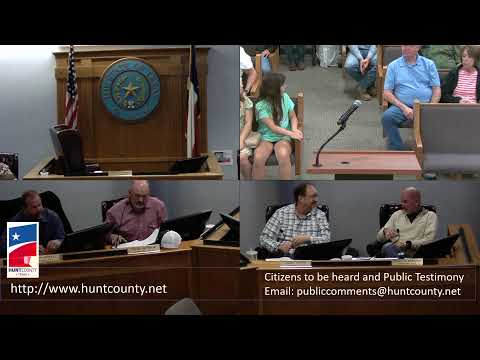
During public comment the court heard from multiple Oak Ridge Court residents who described a large hazardous hole and widespread pavement failure that they say has not been accepted into county maintenance. Resident Jack Santucci told the court the feature is a hazardous condition that could cause injury and warned of potential litigation; Robert Russell and Tommy White urged the court to aim for a full roadway fix rather than a single patch. County staff said the civil attorney is attempting to finalize a contract with the developer Castle Rock (also referred to as Castle Rock Construction) to cost‑share repairs and that staff hope to bring a signed agreement to the next court session for approval.
The court did not approve a final policy in this session; commissioners tasked staff to compile edits and to have the county attorney confirm what enforcement and penalties the county can legally adopt.
Next steps recorded in the transcript include: Darren will revise the draft (switch price basis to tonnage, add culvert and ditch cleaning language), staff will compile foremen comments, and the county attorney will vet legal enforceability before the court considers an amendment or ordinance in a future meeting.