Lifetime Citizen Portal Access — AI Briefings, Alerts & Unlimited Follows
Select Board hears detailed wastewater budget, plant upgrades and proposed fee study
Loading...
Summary
At a March 10 budget workshop the Skowhegan Select Board reviewed an extensive water pollution control budget presentation. Plant manager Dony Zalewski recommended a fee study, automation investments and targeted capital reserves to reduce rising treatment costs and biosolids disposal fees.
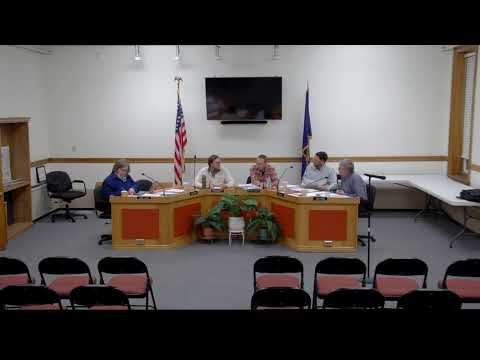
Chair opened the board's budget workshop and the Select Board spent the bulk of the evening on the planning and water/wastewater budgets.
Dony Zalewski, who the board authorized earlier in the meeting to expend funds for plant repairs, delivered a detailed review of the Water Pollution Control Department's operating pressures and capital needs. He said the plant uses roughly 57% of the town's energy among municipal departments and described rising laboratory, chemical and electrical costs that drive the budget.
Zalewski urged the town to commission a fee study with Maine Rural Water to separate septage, commercial and residential charges and to introduce targeted commercial fees so large industrial users pay closer to their actual treatment cost: "I calculated one industrial user is costing us $15,000 a year," he said. He said a fee structure could allow out‑of‑town users to pay a higher rate while reducing tax pressure for residents.
To reduce recurring costs, Zalewski recommended investing in real‑time automation and analyzers for chemical dosing and blower control. He said recent in‑house analyzers have already produced about $20,000 in annual savings and that additional sensors and controls could cut chemical use 20–30% and trim electricity demand. He also outlined a phased capital plan for a roof, exterior repointing, and, ultimately, a major upgrade tied to grant opportunities (noting some equipment dates to the 1970s and a major upgrade was last done in 2004).
On biosolids disposal, Zalewski said the town handled about 1,100 tons last year and is experimenting with process changes that could reduce solids by 30–40% or allow a future aerobic digester. "We could potentially save up to $75,000 per year with these repairs," he said.
Board members asked for additional detail on reserve balances and timelines for the recommended studies and equipment purchases. The board asked staff to return with the fee‑study scope, reserve balances, and an implementation timeline; no formal vote was taken on the fee study but staff said they would pursue the Maine Rural Water engagement.