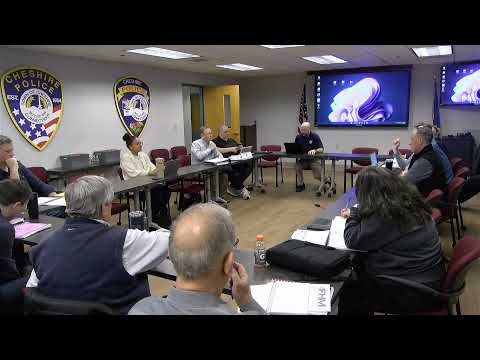
Cheshire fire chief warns volunteer ranks are shrinking; town may need paid staff sooner than expected
Loading...
Summary
Fire leadership told the council volunteer numbers have fallen sharply and call complexity is rising; officials discussed recruitment, pay‑per‑call experiments and the long‑term cost of moving to a full career department as part of budget planning.
Cheshire’s fire leadership told councilors the department is facing a long‑term decline in volunteers and that rising call volume and complexity may force decisions about paid staffing sooner than anticipated.
"Volunteering is not a thing anymore," Fire Chief Ashish Kasner said, noting the department currently fields about six full‑time staff, three part‑time staff and approximately 40 volunteers — down from more than 100 in earlier decades. He said the town handled roughly 1,100 calls last year and that the volunteer pool is strained by daytime coverage needs.
Why it matters: council members pressed for concrete triggers for a staffing shift. Kasner said there is no single numeric threshold; instead, he recommended monitoring call volume, response times and volunteer availability. One councilor referenced a commonly used rule of thumb that a fully staffed career model is considered when a community reaches around 30,000 residents; Kasner instead focused on operational measures.
The council debated incremental options before committing to a career model. Suggestions included increasing per‑call stipends to test recruitment impacts, conducting a study on staffing models, and using targeted recruitment and training campaigns. Kasner said experience shows modest pay increases alone are unlikely to reverse national volunteer trends, but he supported experimenting with incentives and outreach.
Budget implications were discussed at length. Kasner estimated a fully staffed 24/7 career department comparable to nearby towns could cost an additional $3.5–$4.5 million annually just for payroll. Several councilors said the town should start planning now for a multi‑year transition — including whether TIF or capital reserves could fund station studies — rather than wait for a crisis.
Next steps: staff and the chief will continue to refine five‑year capital and staffing projections, examine recruitment campaigns, and return to the council with cost estimates and possible pilot incentives for volunteer recruitment during the ongoing budget process.