Get Full Government Meeting Transcripts, Videos, & Alerts Forever!
Get email alerts on the Zoning topic
No spam. Unsubscribe anytime.
Bowling Green Planning Commission recommends changes to Chapter 150 covering signs, lighting and accessory uses
Summary
The commission voted 7–0 to send proposed text amendments to Chapter 150 of the Bowling Green zoning code to City Council, highlighting new rules for temporary signs (including feather banners), broader outdoor‑lighting standards, a move to digital permitting and a proposed ban on small front‑yard sheds.
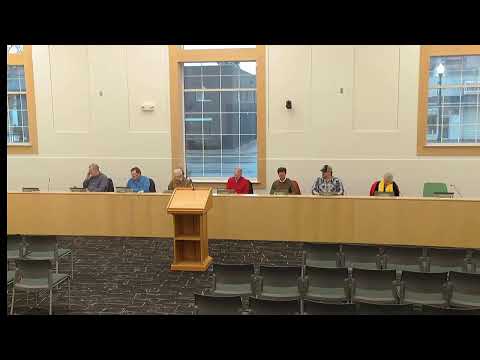
The Bowling Green Planning Commission voted to recommend proposed text amendments to Chapter 150 of the city zoning code, forwarding the package to City Council for consideration.
Planning staff Heather presented the changes at the meeting and told commissioners that most edits are technical but called out three substantive items: allowing certain temporary signs commonly called "feather banners," extending the outdoor‑lighting section to give staff an enforcement tool, and shifting to a digital permit application process. "I would say really the temporary sign would be something noticeable. So if you do allow feather banners that they're often called, that would be a change that you would notice," Heather said.
The package also contains a provision that would prohibit small sheds in front yards (100 square feet or less), a change staff said was prompted by prior instances of sheds placed in front yards. A commissioner asked whether adopting the new allowance for feather banners would require retroactive approvals for previously denied applicants; planning staff replied that prior denials would not be reopened.
After discussion, the commission's chair moved that the commission recommend the proposed amendments to City Council "as you have described" and forward the package with a recommendation of approval. A commissioner seconded the motion. The clerk called the roll and the motion passed 7–0.
The action is a recommendation only; the City Council must consider and act on the amendments before they become law. The amendments as presented include edits to certificate requirements, the comprehensive use table, accessory‑use rules, fences, outdoor lighting, signage provisions and procedures for administering zoning certificates.