Get Full Government Meeting Transcripts, Videos, & Alerts Forever!
Get email alerts on the Resourcecentral topic
No spam. Unsubscribe anytime.
Resource Central database introduced to streamline pediatric disaster-preparedness searches
Summary
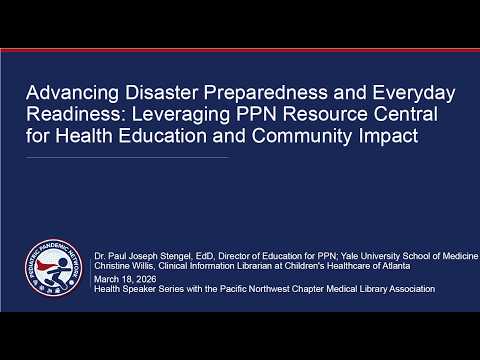
Speakers from the Pediatric Pandemic Network and the National Network of Libraries of Medicine Region 5 demonstrated Resource Central, a librarian-curated discovery database of more than 4,000 pediatric disaster-preparedness resources, and outlined submission and vetting processes.
Emily Hamster, assistant director for the Network of the National Library of Medicine Region 5, opened a webinar on Resource Central, calling the database a centralized place for clinicians, families and schools to find vetted pediatric disaster-preparedness materials.
Paul Stengel, director of education for the Pediatric Pandemic Network (PPN), said the database was created to reduce fragmentation in pediatric disaster education and to make high-quality resources faster to find. "Resource Central is a librarian-curated, subject-matter-expert-reviewed database of more than 4,000 resources," Stengel said, describing training modules, tool kits, simulations and other formats available for discovery.
Christine Willis, a clinical information librarian at Children's Healthcare of Atlanta, explained Resource Central does not host documents but links to partner repositories and highlights source attribution on each record. She said records undergo librarian vetting and subject-matter expert review, and that the database typically rejects about 10% of submissions that are not pediatric-relevant.
Presenters demonstrated the search interface, including keyword and MeSH-term matching, audience facets (for example, an option to filter results for nurses or school nurses), bookmarking of records and saving searches for logged-in users. Stengel walked attendees through signing up, verifying an email and accessing profile features such as saved searches and bookmarks.
The team described resource guides and curated collections organized by audience, focus area and seasonal calendar; they said more than 40 one-page guides and more than 30 collections are available and include persistent links and QR codes for rapid sharing. Willis said institutions can partner to create branded collection pages and that Resource Central plans to roll out analytics for institutional records by the end of the quarter.
On submissions, Stengel said contributors can submit single records or bundles via a form on Resource Central; submissions enter a workflow where librarians and SMEs evaluate and apply metadata. "If we don't accept it, we have a whole process of filling out a rubric for why it wasn't accepted, and then you'll get an email that kind of explains it," he said.
The presenters urged attendees to incorporate Resource Central into local resource guides and hospital communications. Hamster closed by noting the session is recorded, slides will be emailed to registrants and attendees can claim continuing education credits for MLA and CHES through an evaluation link provided in the chat.