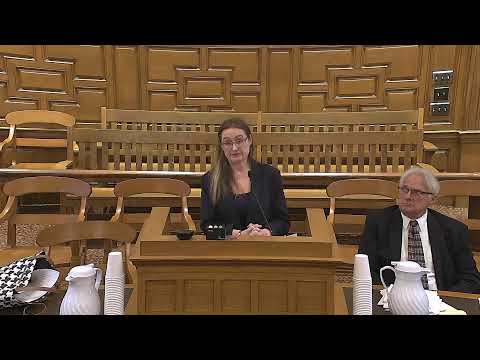
Panel hears dispute over pro se representation, evidence gaps, and alimony valuation in Michelson v. Talbot
Loading...
Summary
In Michelson v. Talbot, counsel for the appellant argued that the lower court erred by allowing a trial to proceed while the defendant lacked counsel and by making property and alimony findings unsupported by the trial record; the respondent and the panel debated the available record and whether appellate counsel omitted key transcripts from the appendix.
Frederick Fierst, counsel for Holly Michelson's opponent, argued the trial record contained multiple errors and omissions warranting a new trial or reopening under Rule 59/60. He told the panel his client, Laura Talbot, "was unrepresented by counsel during all of these proceedings in the bridal, and this was not her choice," and he urged that gaps in the record and disputed factual assertions (including the valuation and saleability of a claimed art collection) required further fact-finding.
Fierst told the court he lacked records of pretrial colloquies (motions to continue and related status hearings), so he pressed the panel to consider whether the lower court's denial of delays and the absence of counsel were adequately developed in the trial record. He also argued the lower court's acceptance of an "if sold" $250,000 valuation for Talbot's art was problematic because there was little evidence demonstrating marketability.
Opposing counsel Heather Jill Williams responded that the transcripts of pretrial motions do exist in the lower-court record even if they were not placed in the appellate appendix, and she disputed claims that Talbot was not given appropriate limited-assistance opportunities. Williams said the probate court afforded deference to a pro se litigant and that the record showed the court gave Talbot time, instruction, and opportunities to present witnesses and exhibits. She also answered the panel's questions about whether Talbot sought continuances and whether an evidentiary hearing had been requested.
The justices asked numerous questions about what material the appellate record contained, whether affidavits filed after judgment contained new facts or information known at trial, and how the probate court assessed marital lifestyle and ability to pay when allocating alimony and dividing property. The case was submitted after argument and bench questioning.