Defense challenges Facebook authenticity and witness bias in Cordova appeal
Loading...
Summary
In Commonwealth v. Cordova, defense counsel Ruth O'Meara Costello argued that the trial court excluded post-allegation incidents and admitted unauthenticated Facebook screenshots, creating a substantial risk of miscarriage of justice given the timing and handling of phone/video evidence.
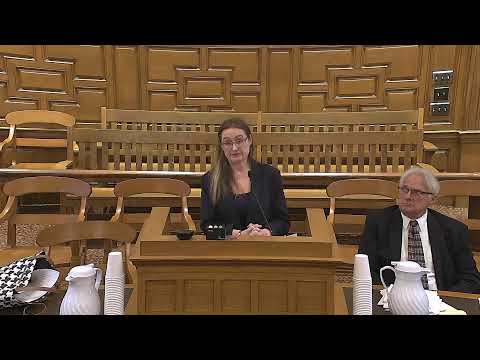
Ruth O'Meara Costello, representing Miguel Cordova, told the appeals court the most significant errors in the lower court were evidentiary: limits on impeachment about the complaining witness's mother's conduct after the allegation and admission of Facebook screenshots without proper authentication. "My name is Ruth O'Meara Costello. It's my pleasure to represent mister Miguel Cordova in this appeal," she said, and she urged the panel to reverse on either of two grounds: erroneous exclusion of impeachment evidence and failure to require an authentication instruction.
Costello emphasized that the defense theory was that the mother manipulated her daughter after discovering the defendant's alleged infidelity; she argued that the lower court erred by excluding post-allegation incidents (for example, an altercation at a Target) and by admitting screenshots derived from a video of the mother scrolling through her phone years after the events. She said the police did not perform a contemporaneous extraction of the phones and that the phone extraction done years later left an opportunity to falsify messages.
The Commonwealth contended the messages and confirming circumstances were sufficient to permit a jury to find by a preponderance that the defendant authored them, and that authentication challenges affect weight, not admissibility. Kyra Kosh argued the prosecution had corroborating evidence — victim testimony, timing of messages, and similar statements — and noted that some comparable statements appeared in the record by other witnesses.
The panel questioned both sides about whether a failure to give an authentication instruction creates a substantial risk of miscarriage of justice and about the relative importance of the messages to the prosecution's case. Costello stressed the prosecution opened and closed with the messages, arguing they were central; the Commonwealth replied that the message evidence was only one confirming circumstance among several. After extended questioning, the matter was submitted to the court.