Get Full Government Meeting Transcripts, Videos, & Alerts Forever!
Get email alerts on the Stormwater Subdivision topic
No spam. Unsubscribe anytime.
Commission advances Finley’s South Utah subdivision after debate over stormwater note
Summary
The commission forwarded Case F26‑04 (Finley’s South Utah), a 2‑lot final plat on 2.71 acres in Ward 1, after discussion over a plat note that states stormwater detention is not required for the subdivision but may be required upon development; commissioners asked staff to clarify the wording.
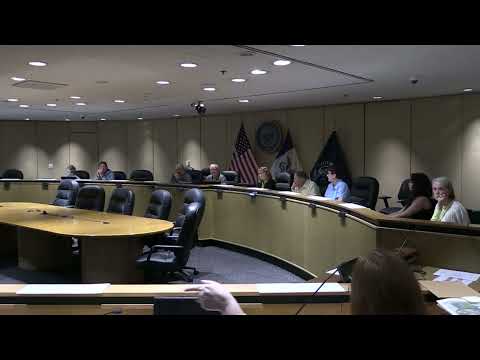
The Davenport City Planning and Zoning Commission voted March 31 to forward Case F26‑04 — Finley’s South Utah second edition — to the City Council with a recommendation for approval subject to staff‑listed conditions after a focused debate about a stormwater note on the plat.
What staff recommended: Staff explained the two‑lot subdivision (about 2.71 acres, south of Telegraph and west of South Utah) is currently zoned agricultural and is in an ongoing rezoning process; staff recommended the commission accept findings and forward the case to City Council provided the associated rezoning is approved prior to final subdivision approval. Staff also noted the plat includes language indicating stormwater detention or water quality treatment is not required with the subdivision but may be required at the development/building permit stage.
Exchange and dispute: Commissioners and the petitioner questioned whether the note belongs on the subdivision plat and whether the language is clear. One commissioner said the note reads as though the city is not requiring detention now but it could be required later and called the phrasing confusing. Staff (Laura) explained the difference between subdividing land and developing it: "We're telling you what we're saying is we're not requiring stormwater detention as part of subdividing the land. The action is subdividing the land. But it could possibly be required upon development of the property." Staff further said the note is intended to be proactive in anticipation of potential changes in state law affecting stormwater requirements.
Applicant perspective: The applicant (addressed in the hearing) said he believed the presentation indicated no stormwater detention would be required and expressed surprise at the note; he asked whether similar nearby lots had been subject to such requirements. Staff said ordinances change over time and that building permits or other permits (soil erosion control permits, site work permits) can trigger stormwater review.
Outcome and implications: After discussion and requests to clarify the wording (several commissioners suggested changing "further development" to "building permit" or similar language), the commission voted to carry the motion and forward the case to City Council. The commission’s action is a recommendation; final approval and any conditions are decided by the City Council. The exchange underscores that plat language about stormwater requirements can affect applicant expectations and that staff will need to word plat notes more clearly to avoid confusion.
Next steps: The commission’s recommendation will be transmitted to the City Council; staff indicated rezoning approval must precede final plat approval and that stormwater requirements will be evaluated during development permits.