Get Full Government Meeting Transcripts, Videos, & Alerts Forever!
Get email alerts on the School Bond topic
No spam. Unsubscribe anytime.
Roseville Schools propose $170 million bond to consolidate buildings, add early‑childhood center
Summary
Superintendent Mark Blaskowski presented a zero‑tax‑rate‑increase bond proposal for May 5, 2026, calling for about $170 million to consolidate underused buildings (46% utilization), demolish three schools, build a larger elementary, create a centralized early‑childhood center and buy 13 buses.
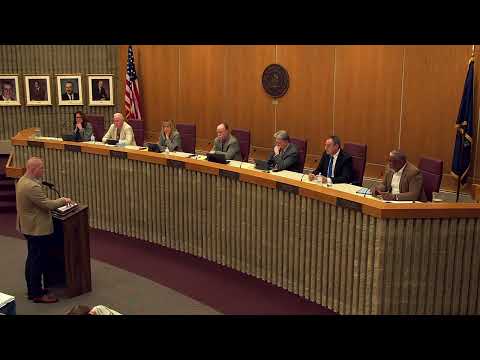
Roseville Schools Superintendent Mark Blaskowski presented the district’s 2026 bond proposal to the Roseville City Council on March 10, describing a roughly $170,000,000 plan to consolidate facilities, upgrade infrastructure and support programs without increasing the district’s tax rate.
Blaskowski said the district’s overall building utilization rate is about 46 percent (the state recommendation is roughly 85 percent), a core rationale for consolidation. “Our utilization rate in our district is 46%,” Blaskowski said, adding that the district would consolidate two middle schools into one branded campus and close or demolish several aging elementary buildings (Dort, Kaiser and Patton) while building a larger, more efficient elementary designed for around 650 students.
Key elements and timeline: the bond would fund HVAC, plumbing, roofing and accessibility upgrades; replacement or repair of Roseville Bridal Auditorium’s roof and ceiling; technology and safety upgrades; and a reserve for athletic turf replacement. The district would convert Fountain Elementary into a centralized early‑childhood center for GSRP preschool, early childhood special education, diagnostic kindergarten and 'young fives.' Blaskowski said the total program is about $170,000,000, with roughly $70,000,000 earmarked for infrastructure work. He gave a rough timeline of middle‑school consolidation targeted for 2028 and elementary consolidation after new construction around 2031.
Transportation and community uses: Blaskowski said the plan includes purchasing 13 new buses (five to support expanded services) and repurposing closed school sites for green space and training homes through the district’s building trades program. He said an Arbor site would host an initial five homes and other courts could provide about 10 homes apiece over time.
Public questions and council action: During the first hearing of the public, resident Margaret Stadwick asked whether any schools proposed for demolition retained outstanding bond money and what would happen to those funds; council representatives asked her to provide contact information so the superintendent could follow up. Dan Lambrecht, a resident, spoke in favor of the bond and urged clearer public messaging on its benefits.
The council voted to receive and file the bond proposal as presented; no formal bond authorization or vote occurred at the council meeting.
Next steps: The bond referendum is scheduled for May 5, 2026; Blaskowski said detailed project information and contact information are available on the district website and via a QR code on presentation materials.