Senate caucus debates retroactive waiver of campaign‑committee penalties; final passage paused
Loading...
Summary
Lawmakers questioned the retroactive penalty waiver in House Bill 2874 after Senate amendments; sponsor said the amendment would void penalties for committees with no contributions or expenditures and make the change retroactive to Dec. 2021, but the Senate amendment was refused and the bill will not receive final passage today.
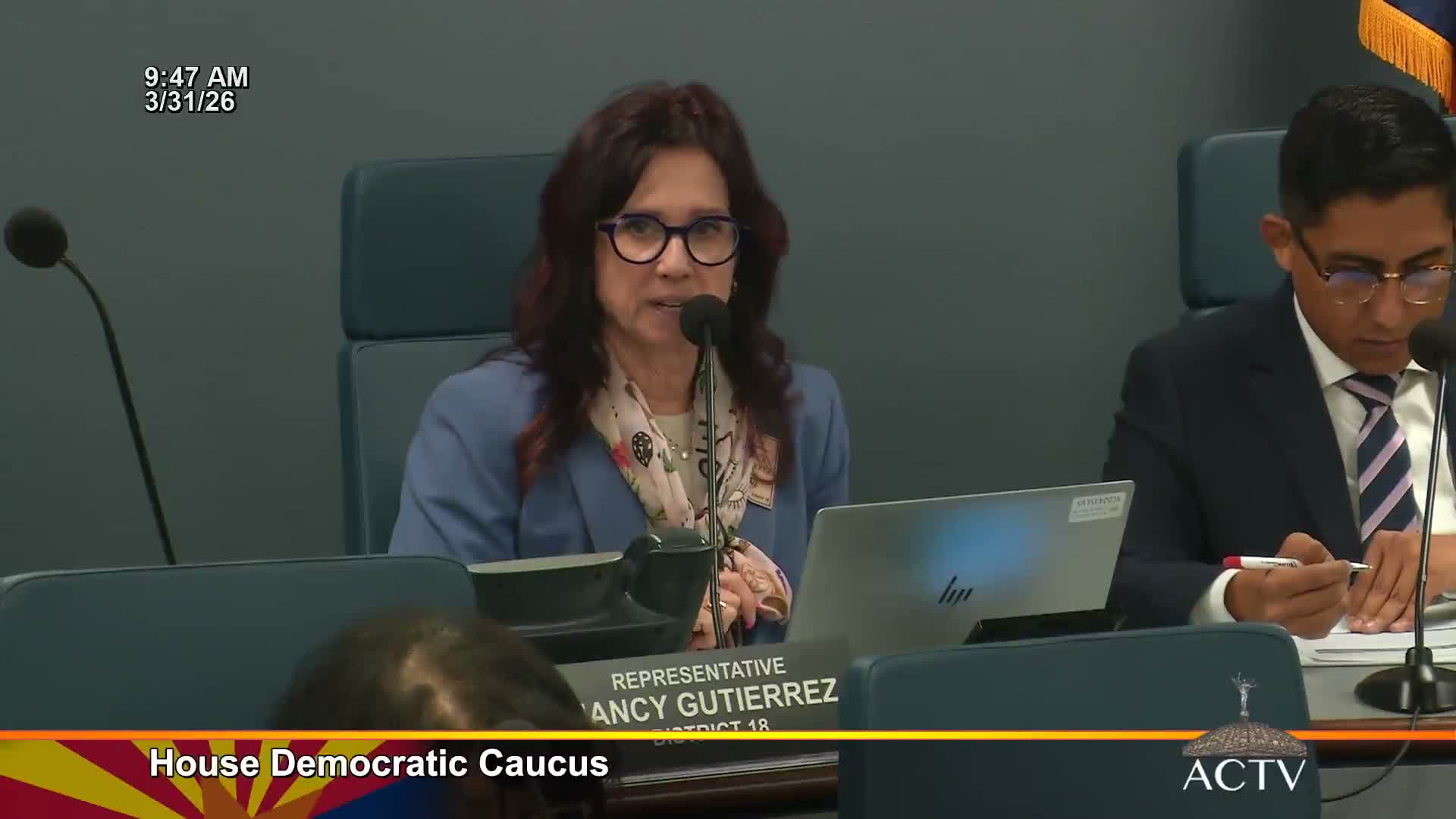
Members of the Republican caucus examined a Senate amendment to House Bill 2874 during caucus on April 2, focusing on whether the bill should void penalties for campaign committees that certify they had no contributions or expenditures and on the amendment’s retroactive date.
Sponsor Sally Ann Ali summarized the Senate modification, saying it would prevent penalties from being assessed and make that exception retroactive to Dec. 2021. She also said the Senate added an emergency clause but that the Senate did not secure sufficient votes for the emergency clause. Several members pressed staff for numbers: they asked whether the Secretary of State’s office had been consulted and how much in penalties might be written off if the amendment were adopted.
Representative Caparo and another member questioned the rationale for using Dec. 2021 as the cut‑off and asked for an accounting of the total assessed fines that could be affected. “Is there a statement from the Secretary of State’s office regarding this?” one member asked. The sponsor replied she did not believe the Secretary of State had taken a position and said she would follow up.
Shortly afterward the sponsor reported that Senator Wenninger was refusing the Senate amendment — a refusal that, under Senate rules, prevents the Senate amendment from receiving final passage on the floor today. The sponsor said the bill will instead go to conference committee or otherwise not be taken up for final vote in this session’s floor calendar.
The caucus did not take final action on the bill at caucus; members asked staff to obtain further fiscal and enforcement information from the Secretary of State’s office and to report back before any final floor consideration.