Delhi fire chief describes baby‑box surrender, two structure fires and staffing strain that required mutual aid
Loading...
Summary
At the March 25 meeting Chief Campbell told trustees a January baby‑box surrender and a string of major incidents — including a March 16 structure fire with about $315,000 in damage — left the department with zero reserve and dependent on mutual aid, a condition he said the township levy aims to address.
Chief Campbell told the Delhi Township Board of Trustees on March 25 that firefighters responded earlier this year to a safe surrender in the township’s baby box and then, on the same day in March, to multiple significant calls that stretched local resources and required mutual aid.
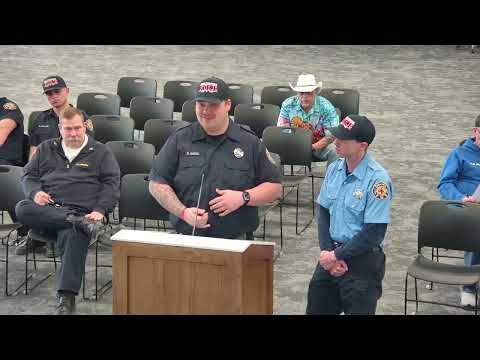
“I'm like, I think there's a baby in the box,” Lieutenant Austin Eckler recalled of the moment an alarm indicated a surrender; he and other crew members said they followed the two‑stage alarm procedure, preserved the mother’s anonymity and found a healthy, crying infant. Firefighter‑medic Don Burke said the rescue was “an awesome moment” for the crew and for the department as one of their first such responses.
Chief Campbell then reviewed that department staffing and response that same day: a March 16 structure fire in the 600 block of Jennabelle Drive required 11 suppression apparatus, three EMS units and about 55 firefighters; the chief estimated roughly $315,000 in damage and said investigators located the origin area near a furnace and return‑vent system that allowed the fire to spread through floors and walls. Later that night the same crew responded to a cooking fire at Delshire Apartments that caused an estimated $7,000 in loss and was extinguished quickly.
Campbell described how overlapping calls — including a cardiac arrest that required an elevated deployment — temporarily left the township with no reserve personnel. He said mutual aid from Cincinnati, Green Township and Price Hill provided critical support: “That’s why we can have a structure fire with 55 people on it,” he said, pointing out many of those responders came from partner agencies. The chief noted the department attempts to follow National Fire Protection Association staffing and deployment models but cannot finance staffing to cover worst‑case surge events every day.
Campbell used the incidents to explain the rationale for a proposed levy on the ballot, saying the additional funds are needed to maintain daily staffing and response reliability. He also highlighted the resuscitation outcome of the cardiac‑arrest call: a nearby engine crew defibrillated the patient, who remained in intensive care as of the last update.
Trustees thanked the chief and the crew. No formal action was taken on staffing at the meeting; the chief invited trustees to follow up with questions and to highlight the operational strain faced by the department during periods of overlapping emergencies.
The board moved on to other agenda items after the report; the chief’s briefing and the personnel accounts were the most substantive discussion on public safety at the March 25 meeting.