Get Full Government Meeting Transcripts, Videos, & Alerts Forever!
Get email alerts on the Privacy Surveillance topic
No spam. Unsubscribe anytime.
Public Safety Commission adopts tighter ALPR policy; vendor retention cut to 15 days
Summary
The commission approved an updated automated license-plate reader policy that clarifies prohibited uses (no immigration enforcement, no reproductive‑health tracking, no protest surveillance), restricts third‑party access, and reduces vendor retention on Flock from 30 to 15 days unless data are pulled for an active case.
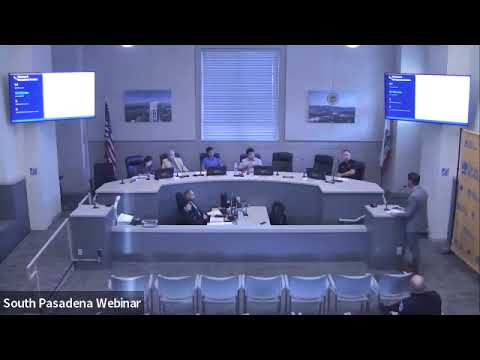
Sergeant Andrew Dubois presented the South Pasadena Police Department’s updated Automated License Plate Reader (ALPR) policy and answered questions from commissioners on March 24. The policy, drafted with city‑attorney input and following city council direction, explicitly lists prohibited uses: unauthorized data access by other agencies, use for immigration enforcement, tracking or identifying people seeking reproductive‑health services, and surveillance of protesters or assemblies.
Dubois said the department previously used a 30‑day default retention but the council and public input prompted a reduction. He reported that the vendor (Flock) now enforces a 15‑day retention window; data are overwritten after 15 days unless an image is sequestered for a specific investigation and added to the case file.
Commissioners pressed about whether federal agencies could compel access. Dubois said California law (including SB 54 references in the policy text) restrains sharing for immigration enforcement and that he was not aware of any historic cooperation that would override that restriction. Commissioners also asked whether an ALPR administrator has been appointed; Dubois said that appointment is still in process.
After discussion the commission moved to approve the updated policy. Clerk roll call recorded unanimous ayes from present commissioners; the motion passed.
The policy change narrows technical retention and clarifies prohibited operational uses but does not eliminate ALPR use for approved investigative purposes. The commission did not name an ALPR administrator during the meeting; staff said that appointment is forthcoming.