School board approves new transportation policy after months of debate over safety and access
Loading...
Summary
After intense public comment and a lengthy superintendent briefing, the Wallingford‑Swarthmore board approved Policy 8.10, narrowing district bus drop‑off destinations to reduce what administration described as a predictable safety risk; vote passed 6–2. Families and community partners warned it could cut access to long‑standing after‑school programs.
The Wallingford‑Swarthmore School Board voted 6–2 on March 23 to adopt a revised transportation policy (Policy 8.10) that limits district bus drop‑offs to prescribed, approved locations in an effort the superintendent said would reduce driver distractions and the chance that students are dropped at the wrong site.
Superintendent Dr. Johnson framed the change as a safety measure. He told the board the district’s current, largely unwritten practice of allowing students to ride to multiple different locations across the district creates “a predictable safety risk” and described ongoing operational breakdowns and near‑misses that increase radio traffic and driver distraction. “This is an accident waiting to happen,” he said, urging the board to act to reduce those risks.
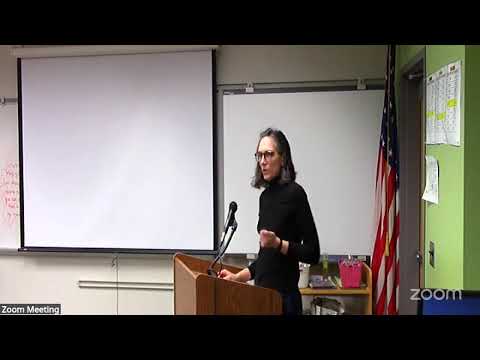
Parents and community partners testified before the vote, saying the timing and scope of the proposed policy would disproportionately burden working families and cut transportation to trusted community partners such as the Community Arts Center and the Creative Living Room. Rebecca Warnkin, a parent and neighborhood partner, asked the board to “slow down the process” and to allow transportation to qualified in‑district facilities beyond only state‑licensed programs so local providers with long histories of serving district children can continue to operate. Several speakers detailed capacity and wait‑list limits at licensed providers and said enrollments for fall are already locked in.
Board members split along lines that balanced operational safety against access concerns. Supporters of the policy said substitute drivers, shifting schedules and students transferring between buses create real, recurring hazards; opponents urged a phased implementation so families and community programs could adapt. Several board members asked the administration to continue conversations with unlicensed providers and to explore expanding in‑school aftercare options so programs remain accessible.
Votes at a glance: the board approved the transportation policy 6–2; earlier in the meeting the board approved other agenda items including minutes, a package of policies excluding transportation, the fee schedule for first reading, curriculum items, and multiple finance and DCIU budget items (most routine approvals passed unanimously 8–0).
What happens next: The policy will be implemented according to the administrative timeline the district establishes; both the superintendent and several board members said they will continue to meet with local after‑school providers to seek ways to preserve access where possible while the district tightens transportation rosters and procedures.
Speakers quoted in this article are drawn from the meeting transcript and include Superintendent Dr. Johnson (superintendent), Rebecca Warnkin (parent/community partner), and a range of board members and public commenters who spoke during the March 23 meeting.