Get Full Government Meeting Transcripts, Videos, & Alerts Forever!
Get email alerts on the Media Policy topic
No spam. Unsubscribe anytime.
Oshkosh residents and volunteers urge delay after city signals end to community TV and radio
Summary
Residents, long‑time volunteers and the Friends of Oshkosh Community Media pressed the Common Council on March 10 to pause a planned May 15 end to most city support for Oshkosh Media, demanding clearer plans for studios, archives and a community‑led transition; city officials apologized for poor communication and said GovTV will continue.
City officials faced sustained public criticism on March 10 after the city signaled it would end most city support for Oshkosh Community Media programs, a change city staff said is part of a broader reorganization of communications.
City Manager Rebecca Grill told the Common Council the administration is reviewing how services, staffing and resources are aligned and said the council sets priorities while the city manager implements them. She emphasized the need for better communication with residents and the council as staff examine options for the city’s media platforms.
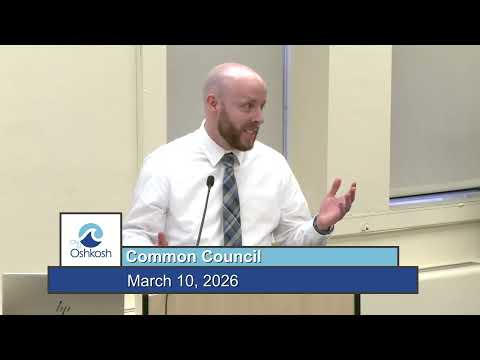
Drew Bailey, the newly hired communications and engagement manager, apologized to the audience for the way initial messages were shared. "I could have done this a lot better," Bailey said, adding that staff aim to provide solutions, have contacted potential sponsors or hosts and hope to have clearer updates within two weeks. He also said GovTV — the government meeting channel — will continue to operate.
Speakers from the public, many of them long‑time producers and volunteers, described the potential loss as a blow to civic access, historical records and volunteerism. Russ Podratz, president of Friends of Oshkosh Community Media, urged the council to delay the May 15 timeline, provide a clear explanation of the data and process that led to the proposal, and work collaboratively with volunteers to preserve public access to meetings and community programming.
Other commenters — including Tony Palmeri, John Nieman and Michael Hurt — described decades of service, sponsorship models that fund programming, and fears that volunteers and niche shows (veterans programs, local culture shows) would be lost if the city closed the studios or ceased accepting community content. "This abrupt timeline leaves no room for responsible planning, community input, or preservation of services residents rely on," Podratz said.
Several council members acknowledged failures in the announcement and said the administration and staff need to do a better job of sharing plans and data. Some members defended the broader goal of improving city communications and efficiency but said those aims demand a collaborative, transparent rollout. Council agreed to have staff return with more formal proposals and data to guide next steps.
The city clerk’s office later reported a separate but related audit finding: the city has issued 133 combination quota alcohol licenses while state statute allows 132; staff said they are auditing past issuances and pursuing voluntary options with holders as part of an internal cleanup tied to a licensing software rollout.
The next procedural step on the Oshkosh Media matter is that staff will bring more detailed transition and engagement plans back to council for review; council members asked for clearer timelines and data before any final decisions are made.