Lifetime Citizen Portal Access — AI Briefings, Alerts & Unlimited Follows
Planning commission approves demolition and replacement building at Charter Oak animal-rescue site
Loading...
Summary
The Saint Helena Planning Commission unanimously approved staff’s recommendation to exempt a Charter Oak Avenue animal-rescue site from CEQA and grant a demolition permit, major design review and two minor design modifications. Commissioners pressed staff to review development fees that may burden small applicants.
The Saint Helena Planning Commission voted unanimously Feb. 3 to approve a demolition permit, major design review and two minor design modifications for a proposal affecting a Charter Oak Avenue animal-rescue site. Staff recommended the project be found exempt from the California Environmental Quality Act under CEQA Guidelines §15302 and adopt the required findings and resolution.
Staff presented the project as an application (PL 25013) for the property identified in the staff report as 1354 Charter Oak Avenue, describing demolition of an existing 1,450-square-foot modular office and construction of a new 2,140-square-foot modular office building to continue administrative and animal exam functions on site. During the motion and resolution read into the record, the address was recorded as 1345 Charter Oak Avenue; the record therefore contains inconsistent address references.
The staff presenter said the site is nonconforming in several ways (for example, on-site parking within the front setback and some landscaping/screening that does not meet current code) but that the review is limited to the new work and that the proposed replacement structure complies with development and design standards to the extent required. The new modular building was described as improving ADA accessibility, adding exam rooms in place of a single large exam room and increasing functionality for staff spaces while not changing the facility’s authorized animal capacity under an existing conditional use permit.
A commissioner sought clarification about floor-plan labeling that listed some spaces as “office” in the new building; staff responded that several spaces labeled office on the plan are intended as animal exam rooms and that separate staff office, break and conference spaces are on the opposite side of the plan. Staff said the existing conditional use permit (authorized in 1996 and amended in 2006) remains in effect and that facility capacity limits would not change as part of this permit.
Commissioners also questioned how the replacement slab would be handled and whether the new modular unit would require slab extension; staff indicated any slab work would be addressed at the building-permit stage rather than in the design-review/demolition-permit approval.
Several commissioners pressed staff on the application fees associated with the request. Staff said the applicant filed a single minor-modification application (the two minor-modification requests were handled together) and quoted the fee for minor modifications at about $5,064 and a variance fee at about $6,500; staff noted there are additional fees for demolition permits and other review. Commissioners raised concern that combined fees could create significant burdens for small nonprofits or community-serving entities.
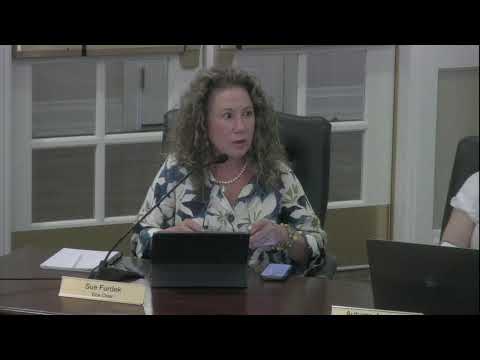
The commission discussed whether it had authority to waive fees; staff and the chair responded that the commission does not have the power to waive fees and that fee-setting is a separate municipal process based on cost studies. Commissioners asked staff to review fee structures and consider recommending fee adjustments to city council as part of forthcoming zoning-code discussions.
A motion to find the project exempt from CEQA, adopt the findings, and approve the attached resolution granting major design review, demolition-permit approval and the associated minor modifications carried unanimously in a roll-call vote. The staff presentation and the motion referenced CEQA Guidelines §15302 (replacement or reconstruction) as the basis for the exemption.
The commission asked staff to return with additional information on fees and any recommendations for the code update process that could reduce undue burdens on small applicants. The item concluded with thanks to staff for the report and unanimous approval of the project.
Next steps: staff will finalize the resolution and related permit documents and proceed with ministerial building-permit review for any slab or structural work; commissioners expect staff to report back on fees and proposed code/fee changes as part of the upcoming zoning-code update process.