Elgin council orders 60‑day review of proposed inclusivity ordinance after weeks of public testimony
Loading...
Summary
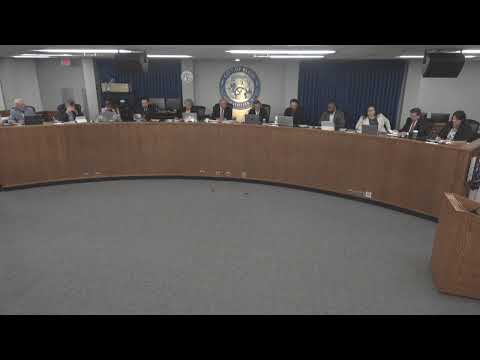
After hours of public testimony largely urging passage of a proposed inclusivity and diversity ordinance, the Elgin City Council voted 5–4 to direct staff to analyze the 20‑page ordinance and related policy options and return with a status update by the first meeting in June.
The Elgin City Council on March 25 voted 5–4 to direct city staff to analyze a proposed inclusivity and diversity ordinance and alternative policy measures and to return with recommendations and a status update in 60 days.
The motion followed more than two hours of public comment from residents, community organizers and advocates, most urging the council to adopt the ordinance immediately. Maria Elena, a community advocate who has worked with families affected by immigration enforcement, told the council the proposed ordinance was a minimal but necessary step: "If border patrol returns, this community will respond just as it did last year," she said, urging legal and practical protections for affected residents.
Sponsors and staff framed the next steps as a technical review rather than rejection. City Manager (staff) said the city would analyze how the draft ordinance would operate in practice and return a progress report; council members who support the ordinance said the research will be used to make the ordinance enforceable. Council member Alfaro described the difference between policy and ordinance: "An ordinance is a legal commitment," she said, arguing that codified rules would provide transparency and long‑term protections.
Opponents and some hesitant council members said they supported the values behind the draft but sought clarification about funding, administration and unintended consequences. Questions centered on the cost and structure of a proposed legal defense fund, how a municipal ID program would be administrated, whether outside donations would be accepted, and which provisions could be implemented by policy quickly versus which would require ordinance language. Council members pointed to the need to avoid creating vulnerable data sets, citing cautionary examples from other cities.
The motion that passed directs staff to analyze both the proposed ordinance and potential policy alternatives; to include written and emailed council comments; and to return to the council with recommendations or a status update at the first council meeting in June. The vote was 5 in favor, 4 opposed. Mayor Captain and the clerk confirmed the council expects periodic status updates from council sponsors Dixon and Alfaro while staff completes the analysis.
What happens next: staff will produce a memo and, where possible, draft components (policies or ordinance language) for council review. The initiative’s sponsors said they will continue to solicit community input and requested the item be placed early on the agenda when it next returns to avoid making residents wait through a full meeting to speak.
The council did not adopt the ordinance at the meeting; it directed staff to provide an analysis of ordinance and policy options and return with recommendations and status updates in 60 days.